Smartphone Prices Are Hitting New Highs in 2026
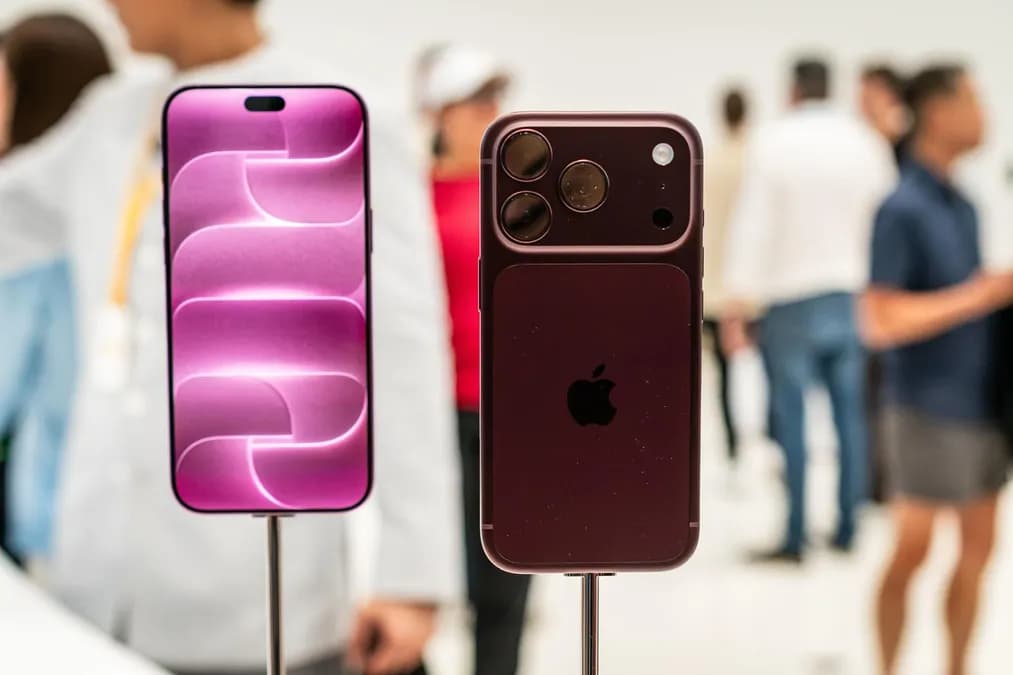
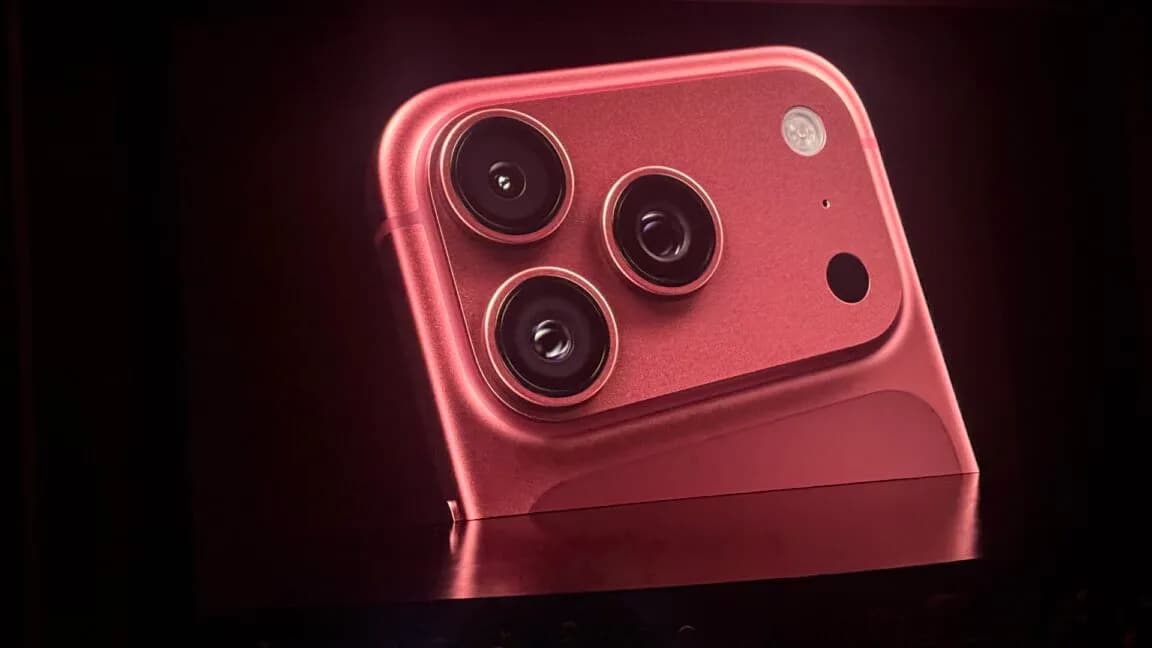
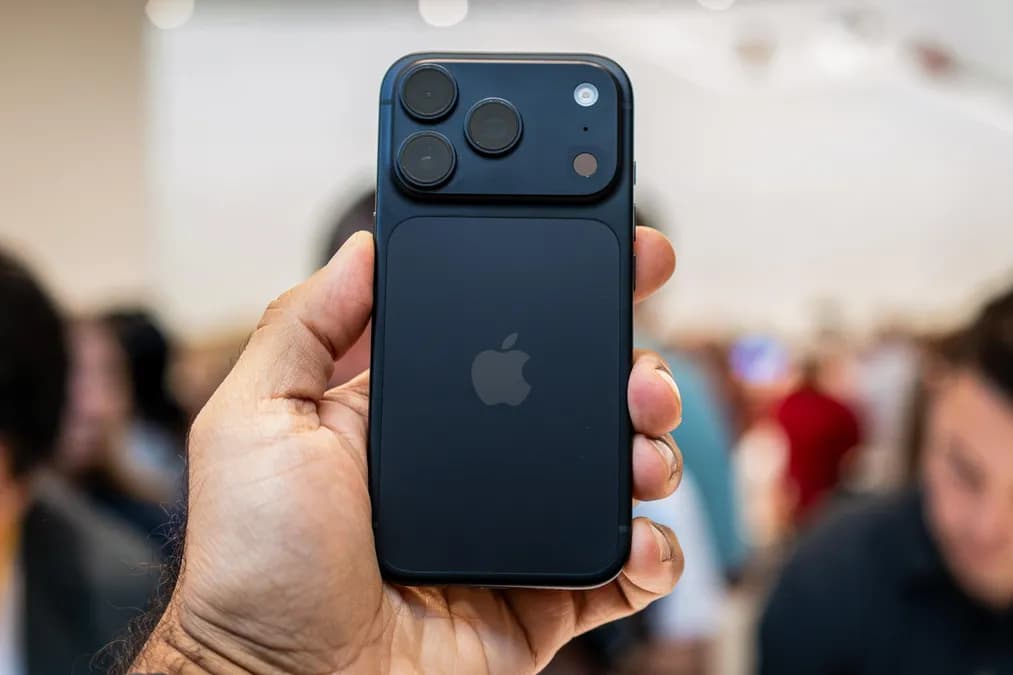
The iPhone 18 Pro now starts at $1,199. The iPhone 18 Pro Max opens at $1,299. Those numbers, announced at Apple's September 2026 event, represent a $100 increase over the previous generation — and they confirm what analysts and consumers had been quietly dreading: smartphone price hikes 2026 are not a rumor or a rounding error. They are the new reality of the flagship market.
To understand how we got here, consider where we started. When Apple introduced the iPhone X in 2017 — the first iPhone to cross the four-figure threshold — it felt like a symbolic line being crossed. A $999 smartphone was audacious. Nearly a decade later, that audacity looks quaint. The iPhone 18 Pro costs 20 percent more than that landmark device, and the trajectory shows no sign of reversing. According to data tracked by Counterpoint Research, the average selling price of flagship smartphones globally has risen consistently each year since 2020, with the premium segment — devices priced above $800 — now accounting for a larger share of total smartphone revenue than ever before.
Smartphone price hikes 2026 are not an Apple-only story. They reflect something structural happening across the entire industry.
Why Are Smartphone Prices Rising So Fast?
Several forces are converging to push prices upward, and they are largely outside any single company's control.
Read next Laika's Wildwood: Stop-Motion Fantasy at TIFF 2026Supply chain pressures remain acute. The disruptions that began during the COVID-19 pandemic never fully resolved. Semiconductor shortages, shifts in manufacturing geography, and increased production costs have added real dollars to the cost of building a modern flagship. Apple, Samsung, and Google all source components from a complex global network, and that network has become more expensive to operate.
Tariff policy has played a decisive role. Since 2024, escalating US-China trade tensions have structurally altered the cost model for consumer electronics. Tariffs on Chinese-manufactured components and finished goods have added meaningful friction to supply chains that were optimized for free trade. While Apple has accelerated its efforts to shift iPhone assembly to India and Vietnam, those transitions take years to complete and introduce their own cost premiums. The net effect, as economists at the Consumer Technology Association have noted, is that tariff-driven cost increases of 10 to 25 percent on certain imported components have filtered through to retail pricing.
Beyond tariffs, there is the question of what these phones actually contain. The silicon inside a modern flagship — Apple's own A-series chips, Qualcomm's Snapdragon processors — represents years of research and billions in development spending. Each generation of processor demands more advanced fabrication nodes, which are increasingly expensive to manufacture. TSMC, which produces chips for both Apple and Qualcomm, has raised its prices in recent years as it funds the construction of new fabs capable of producing chips at 3nm and below. Those costs flow downstream.
Finally, there is the matter of currency exchange and regional pricing. A strengthening dollar relative to other major currencies makes US-priced devices more expensive for international buyers, while simultaneously making components sourced from abroad pricier for American consumers.
There Is No Escape: Even Older iPhones Cost More Now
Here is where Apple's 2026 pricing strategy becomes particularly notable. The conventional wisdom for budget-conscious Apple customers has long been to buy a generation-old iPhone at a reduced price once new models arrive. Apple typically drops the price of last year's models when the new lineup launches.
That playbook no longer works the way it used to. Following the iPhone 18 announcement, Apple raised prices on its older iPhone models as well. This is a meaningful shift in strategy. It eliminates the traditional escape valve — the ability to opt for proven, slightly older hardware at a meaningful discount while staying within the Apple ecosystem.
The implications are significant. A consumer who might have happily purchased an iPhone 17 at a reduced price now faces a steeper entry point than they expected. The message is clear: if you want an Apple device, you will pay Apple's new prices, regardless of which generation you choose.
This approach mirrors what has happened in the broader market. IDC data shows that the midrange segment — phones priced between $300 and $600 — has also experienced consistent average selling price growth since 2022, rising approximately 8 to 12 percent over that period as manufacturers push more premium features down from their flagship tiers while raising base prices to protect margins.
How the Rest of the Smartphone Industry Is Responding
Apple does not set prices in a vacuum. When the company that defines the premium smartphone market raises prices, competitors face a decision: hold their prices and compete on value, or follow Apple upward and capture higher margins.
The pattern from previous iPhone pricing cycles suggests the industry tends to follow. Samsung's Galaxy S lineup has tracked Apple's pricing direction closely over the past several years, with the Galaxy S Ultra series now regularly exceeding $1,200. Google's Pixel Pro line has similarly edged upward, crossing the $1,000 threshold and holding there.
Chinese manufacturers — Xiaomi, OnePlus, and others — have historically provided meaningful competition at lower price points, and they continue to offer high-specification devices at prices well below Apple or Samsung's flagship tiers. However, smartphone price hikes 2026 are visible even in that segment, with flagship-tier Chinese devices now regularly priced at $700 to $900 globally, compared to $500 to $700 just three years ago.
The competitive pressure from below remains real, but it is compressing. The gap between a premium Chinese flagship and an Apple or Samsung equivalent has narrowed — not because Chinese phones have gotten more expensive in absolute terms, but because the entire market has shifted upward.
What This Means for Everyday Consumers
A $1,199 starting price for the iPhone 18 Pro creates practical friction for the majority of smartphone buyers. The average American household income does not make a $1,200 phone a casual purchase. The smartphone replacement cycle — how often consumers upgrade their devices — has been lengthening for years as a result, and higher prices will extend it further.
Consumer electronics economists have pointed to a related trend: the rise of installment financing as the primary mechanism through which people actually buy flagship phones. Carrier payment plans that spread a $1,199 device across 36 months make the monthly cost appear manageable — roughly $33 per month before interest — but they also obscure the true cost and tie consumers to carrier relationships for extended periods.
For consumers approaching a purchase decision now, the data suggests a few practical considerations. Refurbished and certified pre-owned devices have become substantially more attractive, with the refurbished smartphone market growing at double-digit rates annually according to recent Counterpoint Research estimates. Waiting for promotional periods around major retail events has also become a more financially meaningful strategy as base prices rise.
Is the Era of Affordable Flagship Phones Over?
The honest answer is that the definition of "affordable flagship" has changed, probably permanently. The smartphone price hikes 2026 represent not an anomaly but the continuation of a decade-long trend that shows no structural reversal on the horizon.
The forces driving prices up — trade policy, advanced chip manufacturing costs, supply chain complexity — are not temporary. They are not the result of a single bad year or a supply shock that will normalize. They reflect deep structural changes in how the global technology supply chain operates and how geopolitical tensions translate into consumer costs.
What consumers can reasonably hope for is more choice within the elevated market. Manufacturers are increasingly differentiating their lineups, creating more entry points at various price tiers. The existence of a $1,199 Pro device does not necessarily mean the entire lineup costs that much — Apple's base iPhone models remain available at lower prices, and Android manufacturers offer competitive hardware at multiple price points.
But the era when a new flagship phone from a major brand cost $650 to $750 as a standard expectation is over. The flagship category has been redefined. Whether consumers choose to pay the new prices, stretch replacement cycles, buy refurbished, or shift to lower-cost alternatives, they are making that decision in a market that has permanently moved. The $1,199 iPhone 18 Pro is not a surprise. It is a milestone on a road that the industry has been traveling for years.
Related coverage
- Xreal 1S Glasses Hit Lowest Price: $399 Deal
- AI Price War: Anthropic Opus 5.5 vs OpenAI GPT-6
- NYC's Last Pickpocket Needs No Smartphone
Source: The Verge