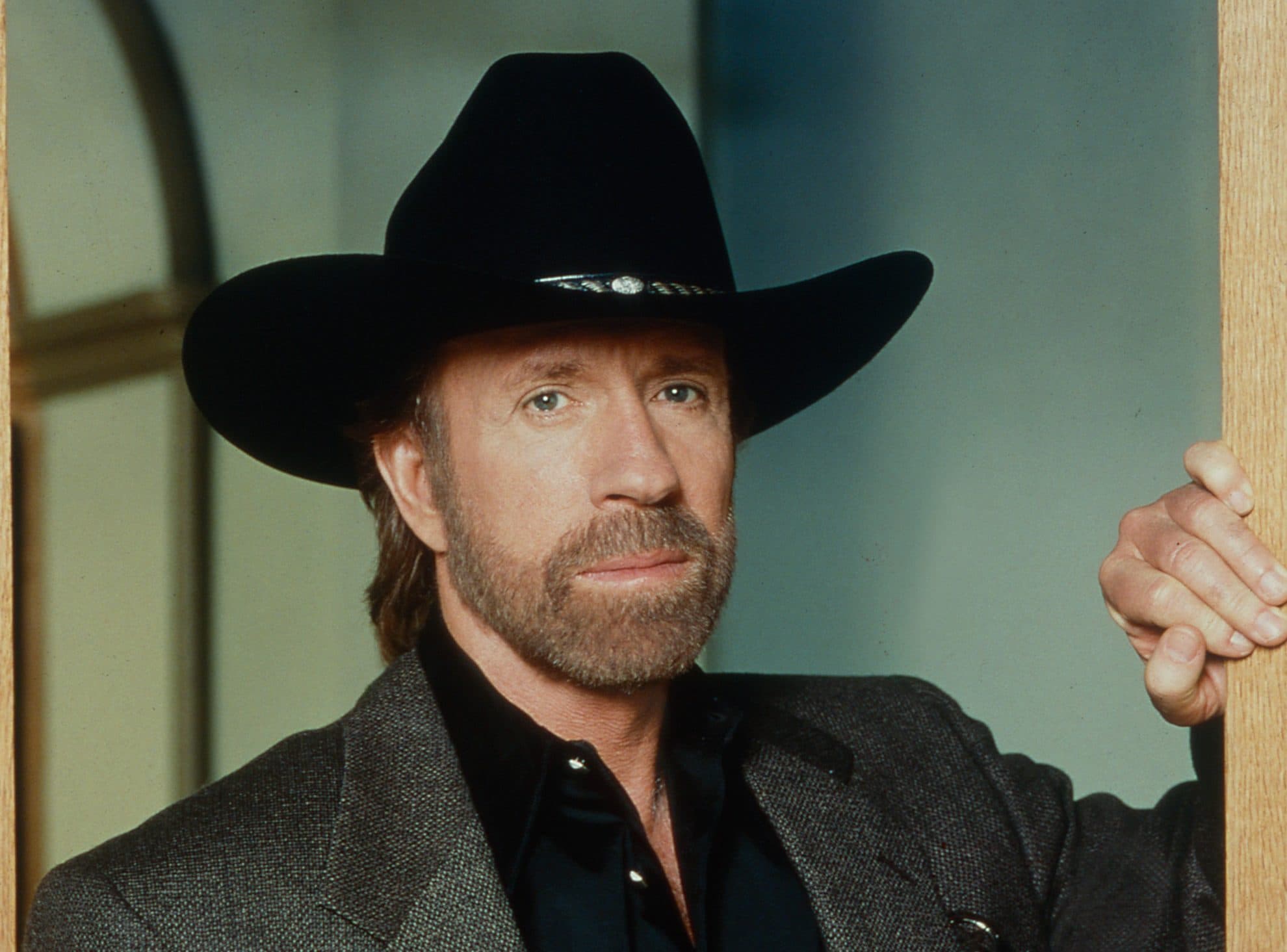
Emmys Snub Chuck Norris: Co-Star Calls It 'Tragic' as In Memoriam Omission Draws Outrage
Chuck Norris Snubbed from 2026 Emmys In Memoriam: What Happened
Chuck Norris died in March at the age of 86. Six months later, when the Television Academy assembled its annual In Memoriam tribute for the 2026 Emmy Awards, his name was not among them. The omission, first reported by Variety, has become one of the season's most contentious awards-show stories — not because of a snub to an obscure figure, but because Norris was one of the most recognizable television stars of the 1990s.
Norris headlined Walker, Texas Ranger on CBS for nine seasons and 203 episodes, a run that placed him at the center of network primetime for nearly a decade. The show debuted in 1993 and became a fixture of CBS's Saturday night lineup, blending martial arts action with a law-and-order procedural format that traveled exceptionally well internationally. For a generation of viewers, Norris was the face of that franchise — and, by extension, one of the defining television personalities of his era.
The In Memoriam segment, a fixed element of every major awards broadcast, functions as the industry's most visible act of collective remembrance. When a figure of Norris' stature is left out, the absence is noticed immediately — by fans, by the press, and by the people who worked alongside him.
Judson Mills Speaks Out: 'It Hurt My Feelings'

Judson Mills, who co-starred on Walker, Texas Ranger, did not mince words when asked about the omission. According to Variety's reporting, Mills called the Emmys' decision a "tragic" and "terrible mistake," and said plainly that "it hurt my feelings."
Read next Drake's 'Fear of Missing Out' Is a 'Not So Short Film'That last phrase carries unusual weight. Mills is not a critic or a commentator; he is a primary source — a colleague who shared screen time and production schedules with Norris across multiple seasons of a demanding network series. His reaction is not an abstract argument about awards protocol. It is the response of someone who knew Norris personally and professionally, and who watched the industry's flagship television ceremony pass over his former co-star without comment.
Mills' language — "tragic," "terrible mistake" — is stronger than the diplomatic hedging that typically accompanies awards-season grievances. He is describing the omission as a failure, not an oversight. And the emotional register of "it hurt my feelings" reframes the story: this is not merely a procedural question about selection criteria, but a human one about who gets remembered and who does not.
Walker, Texas Ranger's Cultural Impact and TV Legacy
The numbers behind Walker, Texas Ranger are the strongest argument against treating Norris as a minor television figure. Nine seasons. 203 episodes. A CBS primetime slot sustained across nearly a decade — a durability that most network dramas never approach. In an era when the broadcast networks commanded the largest audiences in American television, that run made Norris a weekly presence in millions of households.
The show's reach extended well beyond the United States. Walker, Texas Ranger became a syndication and international staple, dubbed and broadcast in markets across Europe, Latin America, and Asia. That global footprint turned Norris into something rarer than a successful TV actor: a cross-cultural icon whose image circulated far beyond the show itself.
Norris' post-Walker fame only compounded. The "Chuck Norris facts" internet phenomenon of the mid-2000s reimagined him as a mythological figure — a meme that, paradoxically, cemented his status as a beloved American pop-culture fixture for audiences far too young to have watched the show in its original run. Very few television actors of his generation achieved that kind of second life.
For the Television Academy, that combination — sustained network success, international syndication, and enduring cultural resonance — is precisely the profile that traditionally earns In Memoriam recognition. The omission is difficult to square with the standard the Academy applies to comparable careers.
The Emmys In Memoriam: How Honorees Are Selected
The Television Academy does not publish a rigid, transparent formula for In Memoriam inclusion. The segment is assembled by the Academy in coordination with the broadcast, drawing on industry submissions, internal records, and editorial judgment about which figures merit recognition within a fixed runtime. That last constraint matters: the segment is minutes long, and every year worthy names are left on the cutting-room floor.
This is not the first time the Academy has faced criticism over who it excludes. In Memoriam omissions have generated recurring controversy across awards shows, including the Emmys, the Oscars, and the Tony Awards, where families and colleagues of deceased figures have publicly objected to absent names. The pattern is consistent enough that the omissions are best understood not as isolated editorial lapses but as a structural feature of a format that cannot accommodate every notable death.
The Academy's typical response in such cases has been to acknowledge the difficulty of the task while declining to detail specific selection decisions. That posture has done little to satisfy critics, particularly when the excluded figure is as prominent as Norris. When a star of a nine-season, 203-episode network hit does not make the cut, the question shifts from "who decides?" to "what standard is being applied?"
Fan and Industry Reaction to the Omission
Mills' comments landed because they arrived alongside a broader swell of audience frustration. Norris' fan base — older viewers who grew up with Walker, and younger ones who encountered him through the "Chuck Norris facts" era — responded to the snub as a slight against a figure they considered a genuine television institution. The reaction crossed generational lines in a way that most awards-show controversies do not.
Within the industry, the omission raised a more uncomfortable question about which kinds of television careers the Academy treats as canonical. Norris was a network action star, not a prestige-drama darling. His show was popular rather than critically celebrated in the way that typically drives Emmy recognition. Critics of the Academy have long argued that this hierarchy — prestige over popularity — shapes not just who wins competitive categories but who is remembered at all. The Norris omission gave that argument its most concrete recent example.
What Chuck Norris' Omission Says About TV's Memory of Its Icons
A 203-episode, nine-season run on CBS primetime is not a footnote. It is a career that defined a network's Saturday nights and exported American television to the world. When that career is absent from the industry's most-watched memorial, the Academy is making an implicit statement about what it values — and the statement is not flattering.
The Emmys In Memoriam snub of Chuck Norris is, in the end, less about one segment's runtime than about institutional memory. Awards bodies shape the historical record. They tell future generations which figures mattered. Judson Mills' "it hurt my feelings" is a reminder that this record is not abstract: it is felt by the people who were there, who worked beside these icons, and who expect the industry to remember them accurately.
Norris will be remembered regardless. The show, the episodes, the syndication, the memes — those persist without Academy approval. But the omission is a data point about how television's gatekeepers decide which legacies are official and which are left to the audience. This time, the audience noticed.
Source: Variety


