The Invisible Crisis: Disabled Youth in Foster Care
Children with disabilities are disproportionately represented in America's foster care system, and they stay there longer. The Annie E. Casey Foundation has documented that youth with disabilities enter foster care at higher rates than their non-disabled peers and are less likely to exit to permanency. The Children's Bureau, the federal agency overseeing child welfare, has similarly flagged disability as a persistent risk factor for prolonged placement, multiple moves, and aging out without a family.
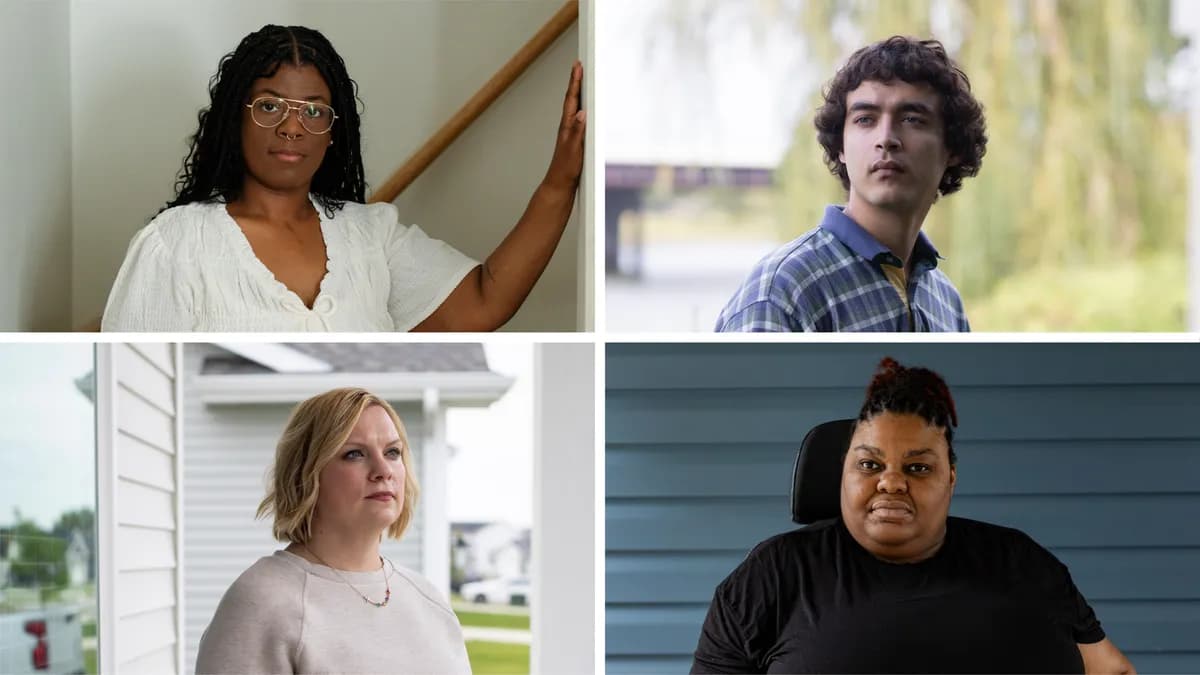
The NPR reporting published on October 3, 2026, gives these numbers a human face. Former foster youth with disabilities spoke candidly about how they survived a system that was not built with their needs in mind. Their accounts — gathered by reporters Sophie Park, Kathryn Gamble, and Wesley Lapointe — describe a child welfare apparatus that too often treats disability as an afterthought rather than a defining feature of a young person's life.
That is the paradox at the heart of this crisis. A system whose stated mission is protection routinely fails the children who need protection most. Disabled youth in foster care are not a marginal subset. They are a substantial and growing share of the population — and they are systematically overlooked.
How the System Fails Disabled Foster Youth

Federal law sets clear benchmarks. The Americans with Disabilities Act prohibits discrimination on the basis of disability in programs receiving federal funding, including child welfare agencies. The Individuals with Disabilities Education Act guarantees students with disabilities the right to a free appropriate public education and the supports needed to access it. In theory, a disabled child in foster care should receive coordinated services, individualized planning, and stable placements that account for medical, developmental, and educational needs.
Read next Medicaid Work Requirements Strand Cancer SurvivorsIn practice, the gaps are structural.
Caseworkers are frequently overloaded, with caseloads that exceed professional recommendations. Many lack training in disability-specific supports. Placements are often chosen for availability rather than fit, so a child with mobility needs may land in a home that is not accessible, or a youth with autism may be placed with caregivers who have no experience with sensory processing differences. Each move disrupts schooling, therapy, and medical care. For disabled youth, the cost of that disruption compounds.
Education is another failure point. Students with disabilities in foster care are entitled to IEPs, but those plans frequently go unenforced when a child changes schools mid-year or when no one is designated to advocate for services. The consequence is predictable: academic regression, missed evaluations, and a slide toward dropping out.
Transition planning — the bridge to adulthood — is perhaps the most glaring omission. Foster youth generally face poor outcomes at age 18. For those with disabilities, the cliff is steeper. Independent living programs often are not designed to accommodate significant support needs, and adult disability services may have waiting lists that stretch for years. A young person who was legally entitled to services as a minor can find herself with almost nothing once she exits care.
Voices From the System: Stories of Survival

The NPR piece centers former foster youth who lived through this. Their narratives share a pattern: early removal from family, a succession of placements, a diagnosis that was either ignored or treated as a label rather than a roadmap, and the eventual, often lonely, work of assembling support for themselves.
One recurring theme in the reporting is self-advocacy as survival. Young people described learning to explain their own needs because no one else would. They described caseworkers who rotated out of their lives, caregivers who misunderstood their behavior, and schools that provided services on paper only. Some found adults who fought for them. Many did not.
Their stories are also stories of resilience. These youth navigated systems that were not coordinated, with laws that protected them in theory and failed them in practice. The fact that they got through is a testament to their determination — not to the system's competence. The reporting makes clear that survival was personal, hard-won, and far from guaranteed.
The Long-Term Consequences of Systemic Neglect
When foster care fails disabled youth, the damage persists long after they age out. Former foster youth with disabilities face elevated risks of homelessness, unemployment, and involvement with the criminal legal system. Without stable placements, education, and transition supports, the odds stack against them.
Research from the Annie E. Casey Foundation and other child welfare researchers has repeatedly shown that placement instability correlates with poor educational and mental health outcomes. For disabled youth, that instability is often the norm rather than the exception.
Then the state's obligation ends. At 18 — sometimes earlier, depending on the state — the legal safety net disappears. Adult disability services, vocational rehabilitation, and housing supports exist, but they are fragmented, underfunded, and difficult to access. A young person who received services through an IEP and a publicly funded placement may find herself on a waiting list for adult services with no caseworker to help her navigate the application. The transition from child welfare to adulthood is, for many disabled foster youth, a transition into isolation.
The societal costs are significant. When these young people are denied the support they need to become independent adults, the public pays later through emergency services, homelessness response, and lost economic contribution. Investing in transition supports is not just humane; it is fiscally rational.
What Reform Looks Like: Paths Toward a Better System
Reform requires changes at multiple levels: federal, state, and local.
At the federal level, stronger enforcement of the ADA in child welfare settings would hold agencies accountable for inaccessible placements and discriminatory service gaps. The IDEA already requires individualized education plans; the problem is enforcement when a child moves between schools and jurisdictions. Congress could tie federal funding to measurable outcomes for disabled youth in foster care, including timely evaluations, stable placements, and transition planning.
States can expand specialized foster homes — caregivers trained and equipped to support youth with significant disabilities. They can extend the age of transition support beyond 18 for youth with disabilities, recognizing that developmental timelines vary. They can fund guardianship and permanency options that do not force disabled youth into independence before they are ready.
Policy experts across the disability and child welfare fields consistently call for cross-agency coordination. The child welfare system, education system, and adult disability services operate in separate silos. A youth in foster care is subject to three different bureaucracies — and when they fail to communicate, the child pays. Integrated case management, with a single plan across agencies, would reduce the gaps that swallow young people.
Advocates also emphasize the need for youth voice. Former foster youth with disabilities should be at the table when systems are designed. They understand, better than anyone, where the cliffs are.
How Communities Can Support Disabled Foster Youth
The system will not change overnight. In the meantime, communities can step into the gaps.
Mentorship programs that match disabled foster youth with adults who have navigated similar challenges can provide stability that caseworkers cannot. Respite caregivers can support foster families who are overwhelmed. Schools can ensure that foster youth with IEPs have a designated adult — a counselor, a special education coordinator, or a court-appointed education surrogate — who monitors compliance.
Legal advocacy matters too. Organizations that provide educational advocacy and disability rights representation can enforce entitlements that are too often ignored. Faith communities, civic groups, and employers can create accessible internships and job pathways.
The NPR reporting makes one thing clear: these young people are not passive victims. They are navigating a broken system with courage and ingenuity. What they need is not pity. They need a system that meets the legal and moral standards the United States has already set — and a public willing to hold that system accountable.
The promise of the ADA and IDEA was full participation and equal opportunity. For disabled youth in foster care, that promise remains unfulfilled. The stories told by NPR's sources are not outliers. They are a pattern. Changing that pattern is not a matter of charity. It is a matter of justice.
Source: NPR Topics: News