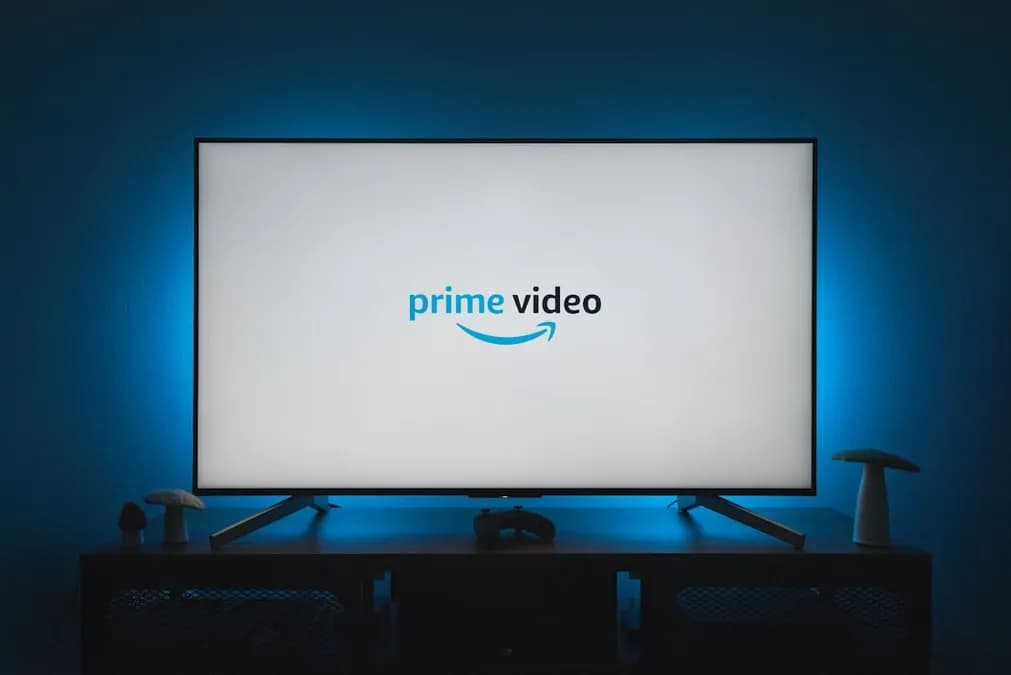
Amazon Brings Shopping Directly Into Prime Video
Three decades after the first television home shopping channel aired, Amazon has found a way to make every show, movie, and live sports broadcast a potential storefront. The company is expanding its shopping integrations across Prime Video, connecting viewers to products tied to content spanning thousands of titles — and doing it without requiring them to leave the couch, open a separate browser tab, or remember a URL that scrolled past during a commercial break.
The expansion builds on X-Ray, Amazon's existing metadata layer that surfaces information about actors, music, and trivia while content plays. Now that same infrastructure is being extended to surface purchasable products relevant to what is on screen. Combined with the Prime Video shopping app and a new Lens-powered feature called "Shop the Scene," the company is systematically closing the gap between watching and buying.
This is not a pilot program or a feature tucked inside a settings menu. Amazon is rolling out these capabilities across shows, movies, and live sports — a signal that Amazon Prime Video shopping is becoming a core product pillar rather than an experimental add-on.
Shop the Scene: Amazon Lens Comes to Your TV

The most technically ambitious piece of this expansion is "Shop the Scene," a feature that applies Amazon's Lens visual search technology to the television screen. Lens, which Amazon has offered in its mobile shopping app for years, allows users to point a camera at an object and identify it as a purchasable product. Bringing that capability to the living room marks a meaningful shift in how the company thinks about its streaming platform.
Read next Laika's Wildwood: Stop-Motion Fantasy at TIFF 2026The mechanic is straightforward: a viewer watching a show spots a jacket, a lamp, or a pair of sneakers they want. Instead of reaching for a phone to reverse-image-search the item, they can access Shop the Scene and have Amazon's visual recognition surface relevant products from its catalog. The connection between what you see and what you can buy becomes nearly instantaneous.
This matters because purchase intent is highest when desire is freshest. Every extra step between noticing a product and completing a transaction introduces friction — and friction kills conversions. By collapsing those steps within the viewing experience itself, Amazon is attacking one of the oldest problems in television advertising: the impossibility of making a traditional 30-second spot immediately actionable.
Why Amazon Is Doubling Down on Shoppable Streaming

Amazon's position in digital advertising is now firmly among the top three platforms in the United States, alongside Meta and Alphabet, according to eMarketer. That standing was not built on brand awareness campaigns alone — it was built on the company's unique ability to connect ad exposure directly to purchase data. A shopper who sees an ad on Amazon and converts immediately generates a measurable, attributable result. That closed-loop model has been the engine behind the company's advertising revenue growth.
Prime Video is the logical next surface to run that playbook on. The platform reaches tens of millions of subscribers in the United States alone, and the audience skews toward consumers who already have payment methods stored, Prime memberships active, and Amazon shopping habits deeply ingrained. The behavioral infrastructure for impulse purchasing is already in place. The missing piece has been bridging the screen to the cart — and that is precisely what this expansion addresses.
There is also a competitive dynamic worth acknowledging. Streaming platforms are locked in a persistent battle over subscriber retention and monetization. Netflix introduced an ad tier. Disney+ has been experimenting with interactive formats. Amazon, with its unique retail flywheel, holds an asymmetric advantage: it can offer advertisers not just impressions, but actual transactions. That distinction makes Amazon Prime Video shopping integrations not just a viewer feature, but a powerful advertising product.
What This Means for Viewers and Advertisers
For viewers, the proposition is convenience — but it carries a tension worth examining honestly. Research from Insider Intelligence has flagged a consistent consumer ambivalence about advertising that interrupts or overlays content they paid to watch. Subscription streaming gained its early momentum partly as an escape from the commercial breaks of linear television. Introducing purchase prompts into that environment risks friction of a different kind: the feeling that content is becoming a catalog.
Amazon appears aware of this. The current design philosophy keeps shopping features opt-in rather than autoplay — viewers surface products when they choose to engage, rather than having purchase prompts injected into scenes. Whether that balance holds as the feature matures and advertiser demand increases is a question analysts are watching closely.
For advertisers and brands, the implications are significant. The IAB has reported consistent year-over-year growth in interactive and shoppable ad spending, driven partly by the promise of exactly what Amazon is now delivering at scale: a direct line from content exposure to commerce. Brands that historically bought television for reach can now buy it for conversion. That reframes the entire value proposition of premium video advertising.
Forrester analysts covering retail media have noted that the most durable advantage in shoppable TV belongs to platforms that own both the content relationship and the transaction infrastructure. Amazon, almost uniquely among streaming platforms, owns both. That structural position gives it pricing power with advertisers and data advantages that pure-play media companies cannot easily replicate.
The Broader Trend: Shoppable TV Is Going Mainstream
Amazon's expansion is the most prominent single move in a broader industry shift that has been building for several years. Connected TV advertising, which includes addressable and interactive formats, has grown substantially faster than linear television spend throughout the mid-2020s. eMarketer has projected connected TV ad revenue to continue outpacing traditional video on the strength of its measurability — the very attribute that Amazon is now amplifying with checkout functionality.
Outside the United States, shoppable television has found its most mature expression in Asian markets, particularly in South Korea and China, where live commerce on streaming platforms has become a mainstream retail channel generating billions in annual transactions. Western platforms have watched those models closely. The challenge has been replicating the behavior in markets where the habit of buying from a television screen is less established.
Amazon's advantage in cracking that habit is its installed user base. Prime members are not being asked to create a new account, learn a new interface, or trust a new payment system. They are being asked to press a button on a remote while watching content they already subscribed to. The behavioral lift required is minimal — which is often the difference between adoption and abandonment.
The combination of X-Ray's metadata layer, the Prime Video app, and Shop the Scene represents a commerce stack that took years to assemble. The pieces were not built for this purpose individually, but together they form something coherent: a platform where watching and shopping are the same activity.
Frequently Asked Questions
What is Amazon Prime Video shopping?
Amazon Prime Video shopping refers to features integrated into the Prime Video streaming platform that allow viewers to discover and purchase products connected to the content they are watching, through tools like X-Ray, the Prime Video app, and the new Shop the Scene feature.
How does Shop the Scene work?
Shop the Scene uses Amazon's Lens visual recognition technology, applied to the television screen, to identify products visible in a scene and surface purchasable items from Amazon's catalog for viewers who want to buy what they see.
Does Amazon Prime Video shopping interrupt content?
Based on the current design, shopping features appear to be opt-in, meaning viewers choose to engage with them rather than having purchase prompts automatically overlaid on content.
Which content supports these shopping features?
Amazon is expanding the integration across thousands of shows, movies, and live sports available on Prime Video, making it a broad feature rather than one limited to specific programming.
Why is Amazon adding shopping to a streaming service?
Amazon operates one of the largest digital advertising businesses in the United States, and Prime Video gives it a premium video surface to connect advertising exposure directly to transactions — an advantage that pure streaming competitors do not possess.
How is this different from regular streaming ads?
Traditional streaming ads generate impressions and brand awareness. Amazon's shoppable features aim to generate actual purchases, creating a direct, measurable link between content viewing and e-commerce conversion.
Related coverage
Source: TechCrunch