Warren Buffett Steps Down as Berkshire Hathaway Chairman After Six Decades
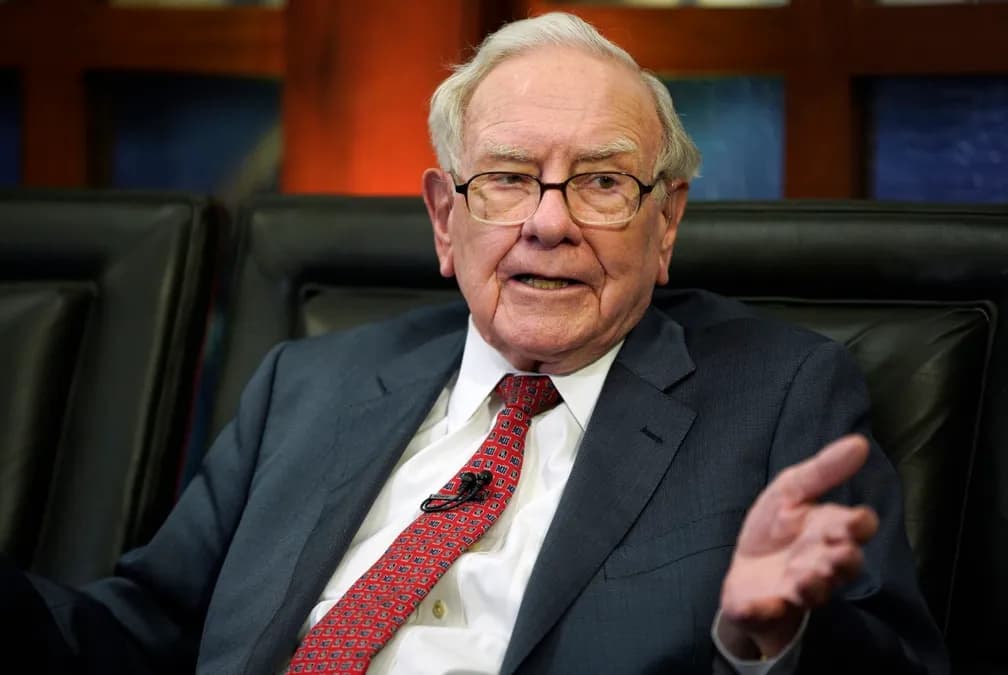
Warren Buffett steps down as Berkshire Hathaway chairman after more than six decades at the helm of one of America's most closely watched conglomerates — a transition that marks the end of an era for institutional and retail investors alike. Buffett, who transformed Berkshire from a struggling New England textile operation into a vast holding company spanning insurance, energy, railroads, and consumer brands, will shift to a chairman emeritus role while remaining on the board of directors. His son, Howard Buffett, assumes the chairmanship.
Berkshire Hathaway carries an approximate market capitalization near $1 trillion as of mid-2026, placing it consistently among the top five largest U.S. companies by market value. That scale means this governance change resonates well beyond Omaha. Millions of individual shareholders, pension funds, and sovereign wealth vehicles hold Berkshire stock — and for all of them, the question is the same: does this change anything?
The short answer is structural continuity. The longer answer requires more care.
Who Is Howard Buffett? The New Chairman of Berkshire Hathaway

Howard Buffett, Warren Buffett's middle son and a longtime Berkshire board member, has served as a director since 1993 — more than 30 years of direct exposure to the company's decision-making processes and ownership philosophy. He is not a business executive in the conventional sense. His public profile centers on philanthropic work in food security and agriculture, leading the Howard G. Buffett Foundation and spending years documenting conflict zones and partnering with farming communities across sub-Saharan Africa and Central America.
Read next Altman: OpenAI IPO 'Ill-Advised' in 2026 | AI ValuationsHis appointment as chairman is deliberately non-operational. The role at Berkshire is a governance position — focused on board oversight, shareholder stewardship, and preserving the culture his father spent six decades constructing. Howard is not expected to involve himself in capital allocation, subsidiary management, or acquisition strategy.
Warren Buffett has articulated publicly on multiple occasions that the chairman position was always intended to serve as a cultural guardian, not a business strategist. Howard fits that framework precisely. Three decades on the board gives him institutional knowledge that no outside candidate could match.
A Legacy Built Over Six Decades: Buffett's Tenure at the Helm

Buffett assumed control of Berkshire Hathaway in 1965, when it was a deteriorating textile manufacturer. Over the decades that followed, he transformed it into a conglomerate whose wholly owned subsidiaries include GEICO, BNSF Railway, Berkshire Hathaway Energy, and dozens of manufacturing and retail operations. The company's equity portfolio holds multi-billion-dollar positions in companies including Apple, Bank of America, and American Express.
The compound annual growth rate of Berkshire's book value per share from 1965 through the mid-2020s exceeded 19 percent — a figure that outpaced the S&P 500's total return over the same period by a substantial margin. That track record has no close parallel in modern investment history.
Buffett's influence extended beyond financial returns. His annual shareholder letters became required reading for executives, fund managers, and business school students worldwide. His stated philosophy — buy wonderful businesses at fair prices, think in decades, avoid excessive debt — shaped how multiple generations of investors approach capital allocation. That philosophy now belongs to the institution, not the title.
His retention as a board member and transition to chairman emeritus signals a deliberate continuity mechanism. An abrupt departure would unsettle markets and major stakeholders unnecessarily. The chairman emeritus structure allows the organization to evolve without creating a vacuum.
What Comes Next: Berkshire Hathaway's Path Forward
Berkshire's operational leadership had already been clarified before this announcement. Greg Abel, vice chairman for non-insurance operations, was publicly designated as CEO successor several years ago. Ajit Jain continues to oversee insurance operations — the underwriting engine that generates the float Berkshire deploys into its investment activities.
The governance shift confirmed now — Warren Buffett steps down as Berkshire Hathaway chairman with Howard assuming the seat — completes a succession architecture years in the making. Abel runs the business. Howard chairs the board. Warren remains a director. The structure was pre-built; this announcement closes the final piece.
Berkshire's decentralized operating model means day-to-day management of its subsidiaries remains largely unchanged regardless of who holds the chairmanship. Individual subsidiary CEOs retain wide operating autonomy. That structure is embedded deeply in Berkshire's culture and is not vulnerable to a governance title change.
The more significant open question is capital allocation at the holding company level. Berkshire held cash reserves exceeding $100 billion in recent reporting periods — reserves Buffett historically deployed into large acquisitions and equity investments. Whether Abel matches that temperament, or whether the board's risk appetite shifts under Howard's chairmanship, will be the variable investors watch most closely in the quarters ahead.
How Corporate Governance Changes at Berkshire Hathaway
Major U.S. corporations have navigated founder-to-family chairman transitions before, with instructive precedents. When Bill Ford assumed the executive chairman role at Ford Motor Company in 1999, markets initially reacted with caution before ultimately responding to operational decisions rather than the governance change itself. At Walmart, the Walton family's continued board presence after Sam Walton's death in 1992 provided cultural continuity even as professional managers ran the company — a model Berkshire's transition closely resembles.
Corporate governance frameworks from leading proxy advisory firms generally view non-executive chairman appointments favorably when the chair holds genuine board experience and the separation from operating management is clean. Institutional Shareholder Services (ISS) and Glass Lewis, the two dominant proxy advisory organizations, both emphasize in their governance guidelines that board independence is strengthened when the chair carries no simultaneous executive officer responsibilities. Howard Buffett, as a non-executive chairman with no operating role, satisfies that standard.
The chairman emeritus designation for Warren Buffett is a well-established mechanism for honoring a departing leader while retaining institutional knowledge and advisory access. It carries no additional voting authority beyond his director seat and does not compromise the board's independent oversight function.
Investors focused on governance metrics may view this transition constructively. A cleaner separation between the board chair and management, combined with a documented CEO succession plan already in place, addresses longstanding questions about Berkshire's governance that some institutional shareholders raised during the extended period when Buffett simultaneously held the chairman, CEO, and chief investment officer roles.
Key Takeaways for Investors Watching Berkshire Hathaway
Four points matter most for shareholders processing this development.
Operational continuity is high. Greg Abel's designation as CEO successor was made explicit years before this announcement, and Ajit Jain's oversight of insurance operations provides stability in Berkshire's most critical business segment.
Howard Buffett's non-executive role limits governance disruption. More than 30 years of board experience and no operating responsibilities means the transition does not introduce new management risk.
Warren Buffett's board seat preserves institutional knowledge. His chairman emeritus status and continued directorship keep his judgment accessible during the transition period without concentrating decision-making authority in one figure.
The title change alone will not drive stock performance. Markets will focus on how Abel deploys Berkshire's substantial cash reserves, whether acquisitions emerge at prices consistent with long-held valuation discipline, and how major equity holdings perform in broader market conditions.
For long-term shareholders, this transition was anticipated, planned, and architecturally complete before it was announced. The structure is in place. What comes next depends not on titles, but on decisions.
Source: WSJ.com: Markets