What Is iOS 27.2 and When Is It Coming?
Apple released iOS 27.0.1 on September 28, 2026 — a single day before reports surfaced that the company is already deep into testing iOS 27.2 for a broader iPhone rollout. That compressed timeline says more about Apple's software pipeline than any single bug fix ever could.
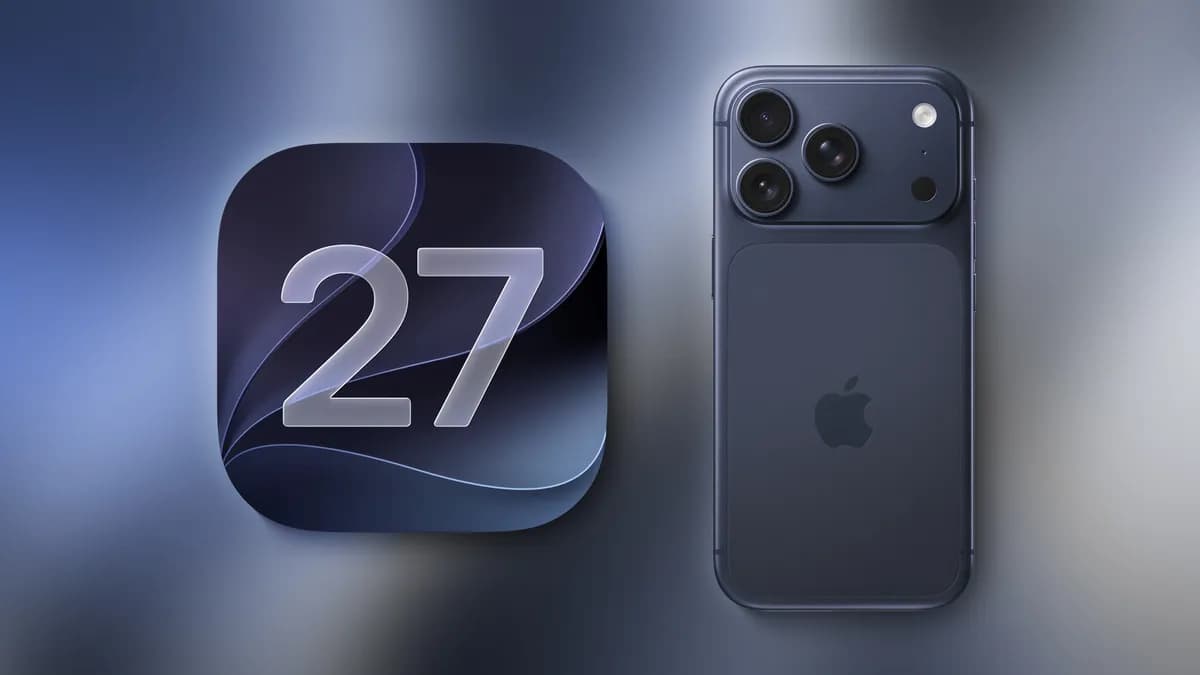
iOS 27.2 is the second major point release in the iOS 27 cycle, following the initial 27.0 launch and the 27.0.1 patch. According to 9to5Mac, it will bring three new features to all compatible iPhones. The update is described as forthcoming, with no firm release date attached. Apple has not commented publicly on the timeline.
Historically, Apple's .2 releases land roughly six to ten weeks after the major version ships. In the iOS 16 cycle, 16.2 arrived about nine weeks after 16.0. iOS 17.2 followed a similar pattern. The iOS 18 cycle tracked closely to that cadence, and the intervening years have not broken the rhythm. If iOS 27.0 landed in mid-September, a late-October or early-November window for 27.2 fits Apple's established playbook.
The bigger story is what 27.2 represents: a feature-bearing release that touches every supported iPhone, not just the newest hardware. That distinguishes it from 27.1, which reports indicate will be limited to the iPhone Duo.
Three New Features Arriving With iOS 27.2
Three new capabilities are confirmed for iOS 27.2. The reported summary does not detail what they are, and Apple has not published release notes. What we can say with confidence is that the features will reach all compatible iPhones — a meaningful distinction given how Apple has increasingly segmented software by hardware generation.
Read next iPhone Duo's Hidden Fake Bezel Setting ExplainedThat universal availability matters. When Apple splits features across hardware tiers, the user base fractures. Developers must test against multiple behavior profiles. Support forums fill with confusion about why a feature appears on one device and not another. By shipping these three features to the full iPhone lineup, Apple keeps the iOS 27.2 experience coherent across devices.
For context, nearly 80% of active iPhones typically run the current major iOS version within four months of release, based on Apple's own App Store distribution data. A universal .2 release therefore reaches a huge installed base quickly. The three features will not be niche curiosities — they will be in millions of pockets within weeks.
Apple's pattern in recent cycles has been to reserve one or two headline features for point releases rather than cramming everything into the .0 launch. That staging strategy spreads press coverage across the fall and keeps users updating. iOS 27.2 fits that mold exactly.
iOS 27.1: Exclusive to iPhone Duo — What That Means
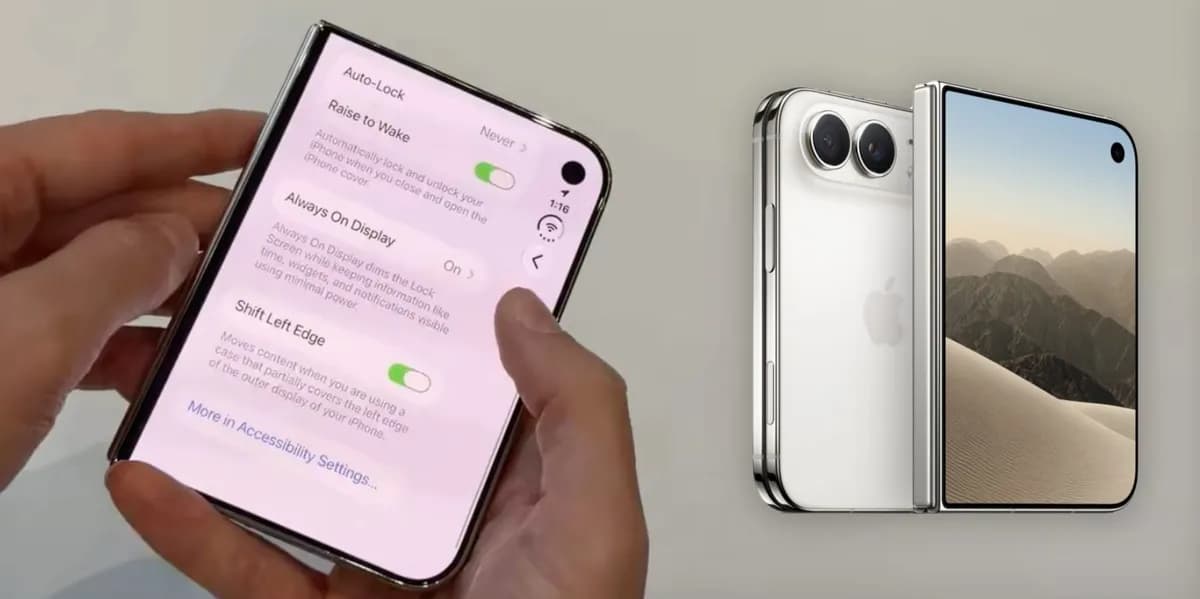
iOS 27.1 will reportedly remain exclusive to the iPhone Duo. That is not an accident of engineering. It is a deliberate product decision, and Apple has made similar calls before.
Consider the Dynamic Island. When it debuted with the iPhone 14 Pro in 2022, the interactive pill-shaped cutout and its software behaviors were exclusive to the Pro models. Standard iPhone 14 buyers got the same chip generation but not the same interface. Apple used that exclusivity to push upgrades toward the higher tier. The following year, the Dynamic Island came to all iPhone 15 models — a classic Apple move of debuting on flagships, then democratizing later.
The iPhone Duo appears to follow that template. Whatever 27.1 enables, it likely depends on hardware capabilities unique to the Duo — a new sensor, a faster Neural Engine, or a display characteristic that older iPhones lack. Apple rarely withholds software for arbitrary reasons; the features that stay exclusive usually have a genuine hardware dependency, or Apple wants them to.
There is a strategic angle too. Hardware-exclusive software gives buyers a concrete reason to pay more. Analyst commentary over the past several cycles has consistently noted that Apple uses software differentiation to sustain average selling prices as upgrade cycles lengthen. Consumers now hold onto iPhones for three to four years on average, up from roughly two years a decade ago. Exclusivity helps combat that.
For Duo owners, 27.1 is a bonus. For everyone else, it is a reminder that the newest iPhone gets the newest tricks first.
iOS 27.0.1 Just Launched — A Quick Look at the Current State
iOS 27.0.1 arrived on September 28, 2026, one day before the 27.2 report. Point-oh-one releases are almost always maintenance updates. They fix bugs, patch security holes, and smooth rough edges that surfaced after the major launch. They rarely add features.
The timing is telling. Apple shipped 27.0.1 less than a month after the iOS 27 debut, which suggests a small number of high-priority fixes rather than a broad stability crisis. When Apple faces serious post-launch problems, it sometimes issues multiple rapid patches. A single quick .0.1 points to a healthy but imperfect launch.
Security researchers watch these releases closely. Apple's security notes for .0.1 updates typically list a handful of CVEs, often including one or two that were actively exploited. Users who delay installing security patches leave themselves exposed. Apple's own support documentation has long recommended installing updates promptly, and the company now pushes automatic updates to most devices by default.
If you are on iOS 27.0 right now, you are one patch behind. If you are still on iOS 26.x, you are several months of fixes behind, and the gap will only widen as 27.1 and 27.2 ship.
Should You Wait for iOS 27.2 or Update Now?
Update now. There is no real argument for waiting.
The three iOS 27.2 features are additive. They will not retroactively change how iOS 27.0.1 behaves. Skipping 27.0.1 to hold out for 27.2 means going weeks or months without security fixes, with zero upside. Apple does not penalize users who update early; it rewards them with the latest protections and the smoothest experience.
The one scenario where waiting makes sense is if you rely on a specific app that has known compatibility issues with iOS 27. In that case, check the developer's status page before updating. But that caution applies to the major version upgrade, not to the .0.1 patch. Once you are on iOS 27, you should stay current.
For users on older hardware, the calculus is the same. Apple's .0.1 releases address issues that affect all supported devices, and security patches matter regardless of how new your phone is. The iOS 27.2 features will arrive when they arrive — and they will arrive for you too, since they are slated for all iPhones.
What to Expect From Apple's iOS 27 Update Cycle Going Forward
Apple's point-release cadence has become remarkably predictable. A major launch in September, a .0.1 patch within weeks, a .1 release in October or November, and a .2 release before the holidays. That pattern has held across multiple cycles and shows no sign of breaking with iOS 27.
The interesting variable is the hardware split. If 27.1 stays Duo-exclusive, it establishes a template Apple may reuse. Expect future point releases to carry a mix of universal features and hardware-gated ones. Developers who follow Apple's beta profiles will see the split early; everyone else will learn about it on release day.
The reported summary does not specify what Apple has planned beyond 27.2. What it does confirm is that Apple is moving fast. Releasing a .0.1 patch and preparing a .2 update within days of each other is a tight operation, and it reflects the scale of Apple's software organization. The company ships updates to hundreds of millions of devices, and it does so on a schedule that competitors struggle to match.
For iPhone users, the practical takeaway is simple. Install 27.0.1 today. Watch for 27.1 if you own the Duo. And mark your calendar for 27.2, where three new features will reach every supported iPhone — no hardware lottery required.
Source: 9to5Mac