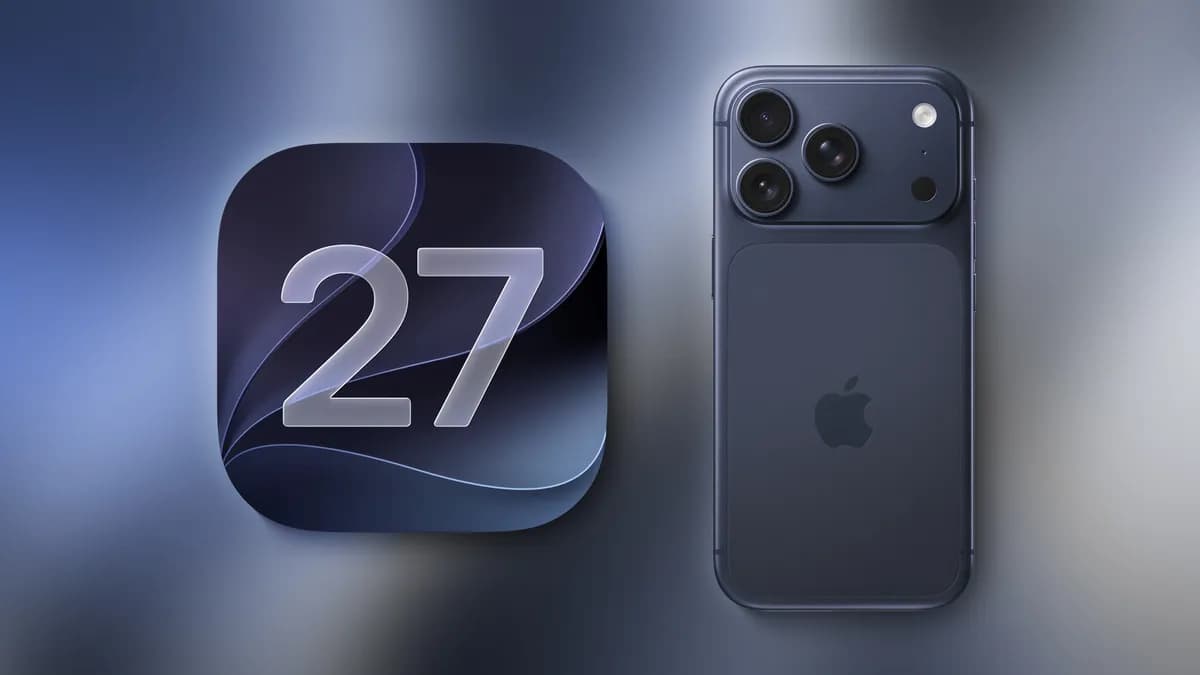
Apple's newest flagship is moving through Chinese retail channels at a pace the company has not seen in years. According to Counterpoint Research, iPhone 18 Pro sales in China during the first three days of availability came in 12% higher than iPhone 17 Pro sales across their entire first week on the market a year earlier. Put differently: Apple matched and surpassed a full week of prior-generation demand in less than half the time.
iPhone 18 Pro Sets Record Pace in China: What the Numbers Mean
Counterpoint Research, a market intelligence firm that tracks sell-through data across Chinese retail and carrier channels, published the 12% comparison this week. The figure carries weight precisely because of how Counterpoint builds it. The firm aggregates point-of-sale data from retail partners, carrier activations, and e-commerce platforms rather than relying on Apple's shipped-unit disclosures, which measure inventory movement into the channel rather than devices actually reaching consumers. That distinction matters in China, where gray-market and third-party reseller activity can distort headline shipment numbers.
The three-day-versus-seven-day comparison is the headline, but the underlying math deserves scrutiny. A 12% premium over a full prior week means the daily run rate for the iPhone 18 Pro launch window was roughly two-and-a-half times that of the iPhone 17 Pro's opening period. Launch-window demand is always front-loaded, so some of that gap reflects timing rather than a permanent step change in consumer appetite. Still, the comparison is the one Counterpoint chose to publish, and it points to a materially stronger opening than Apple managed a year ago.
The result also lands against a difficult backdrop. Apple has spent the better part of two years navigating a Chinese smartphone market defined by aggressive domestic competition, particularly from Huawei's revived premium lineup, and by macroeconomic caution among consumers. A launch that beats its predecessor's full first week inside 72 hours suggests the iPhone 18 Pro's feature set and pricing have connected with buyers in a way the 17 Pro did not.
Apple Captures 33% of China's Smartphone Market
The launch surge translated directly into market share. For the week of September 14 to 20, Apple claimed the top spot in China's smartphone market with a 33% share, according to the same Counterpoint data. That is a commanding weekly figure in a market where no single vendor typically holds more than a quarter of sales outside of flagship launch windows.
Read next iPhone Duo's Hidden Fake Bezel Setting ExplainedA 33% weekly share means roughly one in three smartphones sold in China that week carried an Apple logo. For context, Apple's share in China has historically oscillated well below that level during non-launch periods, and the company has faced quarters where its ranking slipped behind domestic rivals. Launch weeks always flatter Apple's position because early adopters concentrate their purchases into a narrow window — but the magnitude here is notable, and it places the iPhone 18 Pro at the center of the company's China recovery narrative.
The share figure also matters for what it does not show. A single week of dominance does not establish a trend. What it does establish is that Apple still commands the premium tier in China when it ships a product consumers want, and that the brand has not lost its ability to generate launch-day queues and same-week sellouts in a market many analysts had written off as increasingly hostile to foreign hardware.
iPhone Duo's October 23 Launch Could Extend Apple's Momentum
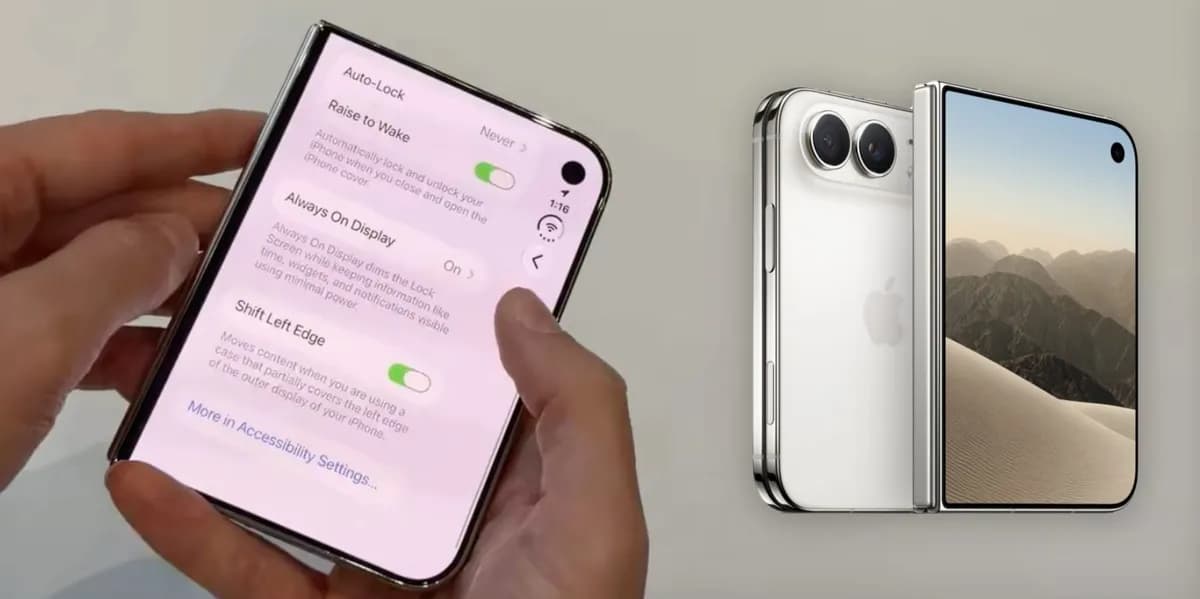
Apple's China story has a second act scheduled. The iPhone Duo goes on sale October 23, and it arrives into a market with a demonstrated preference for foldable form factors. The Duo represents Apple's entry into a category it has watched from the sidelines while Samsung, Huawei, Honor, and others built out multi-generation foldable portfolios.
The timing is deliberate. Launching the Duo weeks after the iPhone 18 Pro lets Apple ride an existing wave of retail foot traffic and media attention rather than splitting its marketing spend across two simultaneous product introductions. Consumers who walked into stores for the 18 Pro will find the Duo on shelves before the launch cycle cools.
The strategic logic is straightforward: Apple gets a second demand event in the same quarter, targeting a different buyer segment. Foldable customers in China skew toward early adopters and status-conscious buyers who are less price-sensitive than the average smartphone purchaser — precisely the demographic that has historically driven Apple's premium margins. If the 18 Pro's opening is any indication of underlying demand, the Duo's launch lands into favorable conditions.
China's Appetite for Foldables: A Unique Opportunity for Apple
Chinese consumers have shown a stronger appetite for foldable devices than buyers in most other markets. That gap is well documented across the industry: foldables have achieved meaningful double-digit penetration of the premium segment in China while remaining a niche category in North America and Western Europe. Several structural factors explain the divergence.
First, Chinese OEMs invested earlier and more aggressively in foldable engineering. Huawei, Honor, Xiaomi, and vivo all shipped multiple foldable generations before Apple entered the category, which normalized the form factor with consumers. Second, the Chinese premium market rewards visible differentiation — a folding phone signals technological fluency in a way a conventional slab does not. Third, domestic app ecosystems and media consumption habits favor larger, more flexible displays, particularly for video, gaming, and multitasking workflows that Chinese users perform heavily on mobile.
For Apple, this creates an unusual setup. The company is late to foldables globally, but it is entering its single most foldable-receptive major market with a product that has no direct Apple predecessor to cannibalize. Market analysts who track the category generally expect China to be the Duo's strongest launch region by volume, and the October 23 timing positions it to capture holiday-quarter demand.
What Strong China Sales Signal for Apple's Global Strategy
China is Apple's second-largest market and its most scrutinized. A weak China quarter can drag down the company's overall results and dominate earnings calls; a strong one can offset softness elsewhere. The iPhone 18 Pro's opening therefore carries implications beyond a single product line.
If the three-day pace holds through the full launch quarter, Apple enters its fiscal year with a China tailwind it did not have last cycle. That gives management room to invest in the Duo's rollout, absorb higher promotional costs if competition intensifies, and defend premium share against Huawei's continued push.
There is also a read-across to Apple's pricing and product segmentation strategy. The 18 Pro's strength suggests Chinese buyers are responding to whatever combination of hardware improvements and positioning Apple brought to this generation, and that the company's decision to maintain a clear Pro tier above the standard model continues to work in a market that rewards premium signaling.
Momentum, however, is not guaranteed. Launch-window data is inherently favorable, and the 12% figure measures an opening sprint, not a marathon. The real test comes in weeks four through twelve, when promotional activity from domestic rivals ramps up and the initial wave of upgraders is exhausted. Counterpoint's data will need to show sustained sell-through, not just a fast start, before the China turnaround can be called durable.
Takeaways: Is the iPhone 18 Pro a Turnaround Story in China?
The evidence supports cautious optimism rather than a victory lap. Three data points anchor the story: a 12% sales premium over the iPhone 17 Pro's full first week achieved in just three days, a 33% weekly market share for the week of September 14 to 20, and an October 23 launch for the iPhone Duo into a market with outsized foldable demand.
Those three facts, all sourced from Counterpoint Research, describe a company that has regained launch-day momentum in its most contested market. They do not yet describe a sustained reversal. Buyers should watch two things: whether the weekly share figure holds above historical baselines once launch hype fades, and whether the Duo converts China's foldable appetite into a second consecutive demand event. If both land, iPhone 18 Pro sales China data will be remembered as the opening chapter of Apple's strongest China quarter in years — not an isolated spike.