iPhone Duo Launch Supply May Be the Tightest in Years
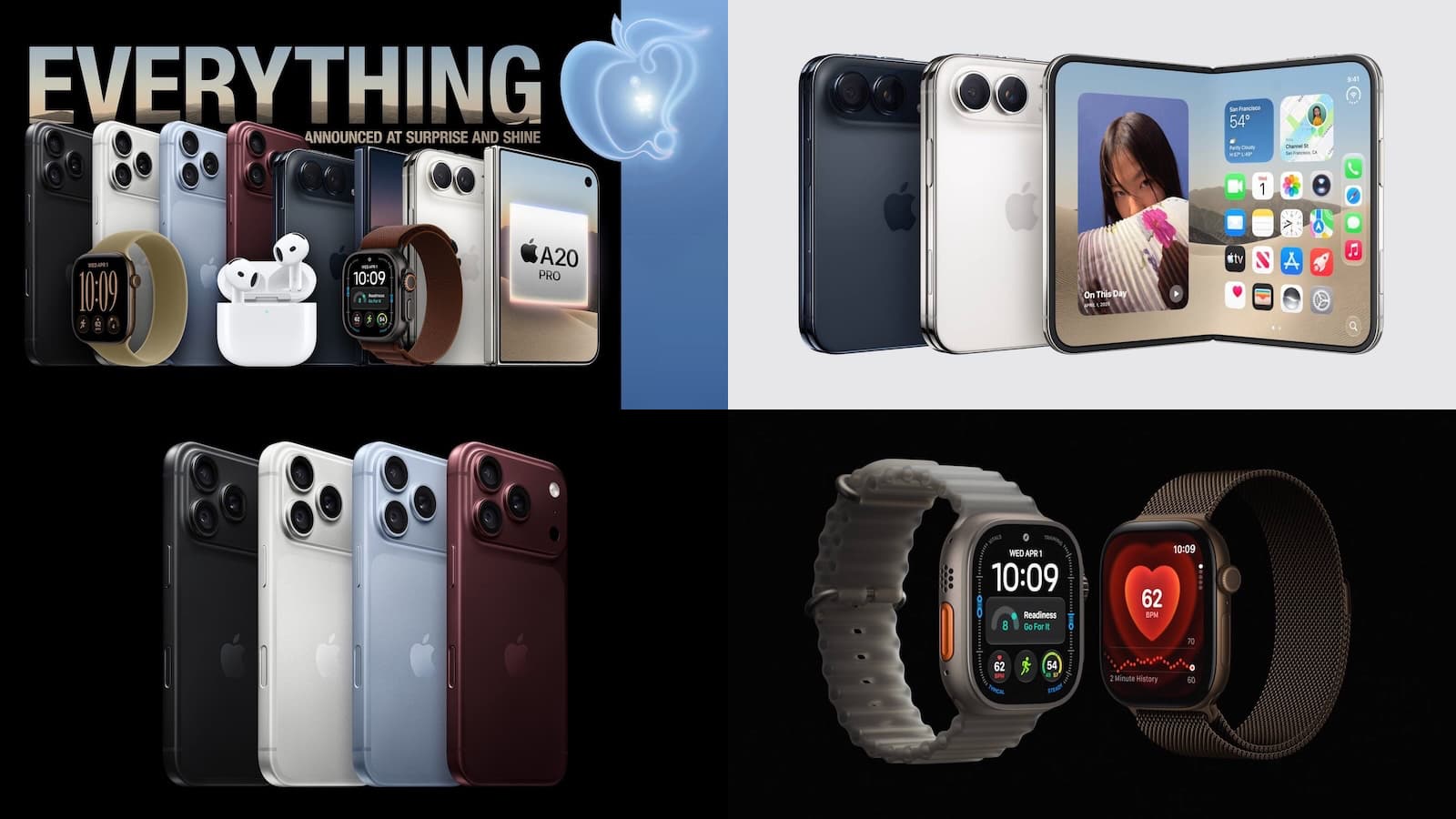
Apple's next flagship hasn't even opened its pre-order window, yet the warning lights are already flashing red. According to a new analyst report covered by 9to5Mac on September 15, 2026, the iPhone Duo — set to open pre-orders next month — could arrive in even shorter supply at launch than previously expected. That phrasing matters. It doesn't describe a mild allocation squeeze, the kind Apple manages quietly every September. It points to a launch where the gap between demand and available units could be wider than anything buyers have faced in recent memory.
If that sounds familiar, it should. Apple has a long history of constrained debuts when new hardware designs enter mass production. The iPhone X in 2017 arrived weeks after the iPhone 8, with reports at the time suggesting launch-day availability measured in the low millions against a global installed base of hundreds of millions of active iPhones. The iPhone 12 mini era in 2020 was less about demand and more about component timing — panel and 5G modem supply created staggered regional launches. Each of those cycles taught Apple's retail machine the same lesson: when a new form factor meets a fixed manufacturing footprint, early supply loses.
What separates the iPhone Duo situation is timing. Pre-orders open next month, which gives Apple's supply chain a narrow window to convert production ramps into sellable inventory. Analysts who track Apple's build plans — a group whose forecasts have historically tracked closely with real-world availability, from the late-2017 iPhone X shortfall to the 2021 iPhone 13 lead times — are signaling that window is tighter than usual. For consumers, the practical translation is simple. An iPhone Duo supply shortage at launch isn't a hypothetical risk anymore. It's the base case.
Why iPhone Duo Supply Could Be Severely Constrained

New iPhone designs fail yield targets before they hit store shelves. That's not speculation; it's the documented pattern of Apple's manufacturing model. When Apple introduced the iPhone X's edge-to-edge OLED display and Face ID module, early production yields on the TrueDepth camera system ran low enough that Apple reportedly prioritized shipments by region. When the iPhone 12 family launched with 5G, Qualcomm modem and display driver constraints forced staggered availability across Apple's retail network. New components require new production lines, and new production lines rarely perform at mature efficiency on day one.
Read next iOS 27 Release Time & New Features: Full GuideApple compounds that risk through deliberate supply chain concentration. The company relies on a small number of contract manufacturing partners — primarily Foxconn and Pegatron — for final assembly, with component suppliers often sole-sourced for specialty parts. That structure delivers enormous scale and quality control, but it leaves little slack when a single node underperforms. A camera module supplier running at 80 percent of projected yield, for example, translates directly into 20 percent fewer finished units, and no amount of retail logistics can close that gap on launch weekend.
The iPhone Duo adds another variable: it's a new product line, not a refresh. New form factors demand new tooling, new inspection protocols, and new supplier qualifications. Each of those steps historically adds weeks to the ramp curve. The analyst report covered by 9to5Mac frames the result as supply that could be "even shorter" than expected — language that suggests Apple's own build estimates may already assume constrained availability, with the analyst revising further downward.
Historically, Apple's supply forecasts from Wall Street and supply chain analysts — figures like Ming-Chi Kuo and Jeff Pu, whose track records include accurately calling iPhone X and iPhone 12 availability windows — have moved markets for good reason. When they flag tightening, retail lead times usually follow. That correlation gives this week's report more weight than typical pre-launch chatter.
iPhone Duo Pre-Orders: What Buyers Should Expect
Pre-orders open next month, and the average buyer's experience probably hinges on speed and configuration choice. Historically, constrained iPhone launches sell through initial online inventory within minutes — the iPhone X's November 2017 pre-order window saw shipping estimates slip to four to five weeks almost immediately, and the iPhone 12 Pro's October 2020 opening pushed delivery dates into November for many configurations. If the iPhone Duo follows that pattern, customers who complete checkout in the first hour may still face multi-week waits, while those arriving hours later could see estimates measured in months.
Two factors typically determine who gets a device first. The first is configuration. Base storage models and less popular color options usually survive the initial crush longer than max-storage or hero-color variants, because Apple's build plans skew toward the mix that sold best in prior cycles. The second is order channel. Apple's own online store and carrier pre-order systems generally receive the largest initial allocations, while big-box retailers and regional resellers often see thinner inventory in the first wave.
Consumers should also anticipate the secondary-market premium. During the iPhone X and iPhone 12 Pro shortages, resale listings on platforms like eBay frequently carried markups of 30 to 50 percent above retail within days of launch. That dynamic fades as supply normalizes, but it can persist for weeks when an iPhone Duo supply shortage overlaps with holiday-season demand.
Apple's Supply Chain Challenges and Industry Implications
Apple's own earnings calls have repeatedly acknowledged that new product ramps can pressure gross margins — the company has historically guided toward the lower end of its margin range in quarters dominated by major launches. A tighter-than-expected iPhone Duo ramp would fit that pattern, though the strategic stakes extend beyond a single quarter.
Consider the supplier side. Apple's key assembly partners in China and India operate under capacity commitments negotiated months in advance. When a new device underperforms yield projections, those partners absorb overtime costs, and Apple's component suppliers — display makers, camera module vendors, chip foundries — face shifting order schedules. In past cycles, such disruptions have rippled through the broader smartphone supply chain, affecting everything from memory pricing to display panel allocation for rival manufacturers.
There's also the competitive dimension. Every week a flagship remains backordered is a week competitors can court upgrade buyers. During the iPhone X launch window, Samsung and Google both ran aggressive trade-in promotions aimed squarely at customers frustrated by Apple's wait times. A prolonged iPhone Duo supply shortage would hand rivals a similar opening, particularly in markets like Western Europe and India where Apple's share remains contested.
The broader industry read is that Apple's supply chain, despite its sophistication, remains vulnerable to the physics of new product introductions. Analysts have made this point for a decade, and the pattern has held: complexity up, initial supply down.
Should You Pre-Order iPhone Duo Immediately?
For most buyers, the answer is yes — with caveats. If you know you want the iPhone Duo and you're not flexible on timing, completing a pre-order the moment the window opens is the single highest-leverage action available. History offers a clear lesson: during the iPhone X and iPhone 12 Pro launches, customers who ordered within the first minutes received devices weeks ahead of those who waited even a few hours. Delivery estimates on Apple's site update in real time, so early checkout literally buys calendar days.
Flexibility changes the calculus. If you're willing to accept a less popular color or a smaller storage tier, your odds of a launch-window delivery improve meaningfully. If you're willing to wait, the data suggests supply usually stabilizes within eight to twelve weeks of launch — the iPhone X reached walk-in availability roughly two months after its November 2017 debut.
One pragmatic step: set an alarm for the pre-order opening. Apple typically begins pre-orders at 5 a.m. Pacific, and carrier systems can lag behind Apple's own store by minutes. Having payment and shipping details pre-loaded removes friction at exactly the moment it costs the most.
Conclusion: Planning Ahead for the iPhone Duo Launch
The analyst report covered by 9to5Mac doesn't guarantee a sellout, and Apple has surprised observers before by ramping faster than forecasts suggested. But the signals point one direction. Pre-orders open next month, supply is projected to be tighter than any recent iPhone at launch, and the historical record — iPhone X, iPhone 12 mini era, and the constrained cycles in between — shows that consumers who move early get devices first. The iPhone Duo supply shortage narrative will be written in real time on pre-order morning. The buyers who plan for it will be the ones holding the phone.
Source: 9to5Mac