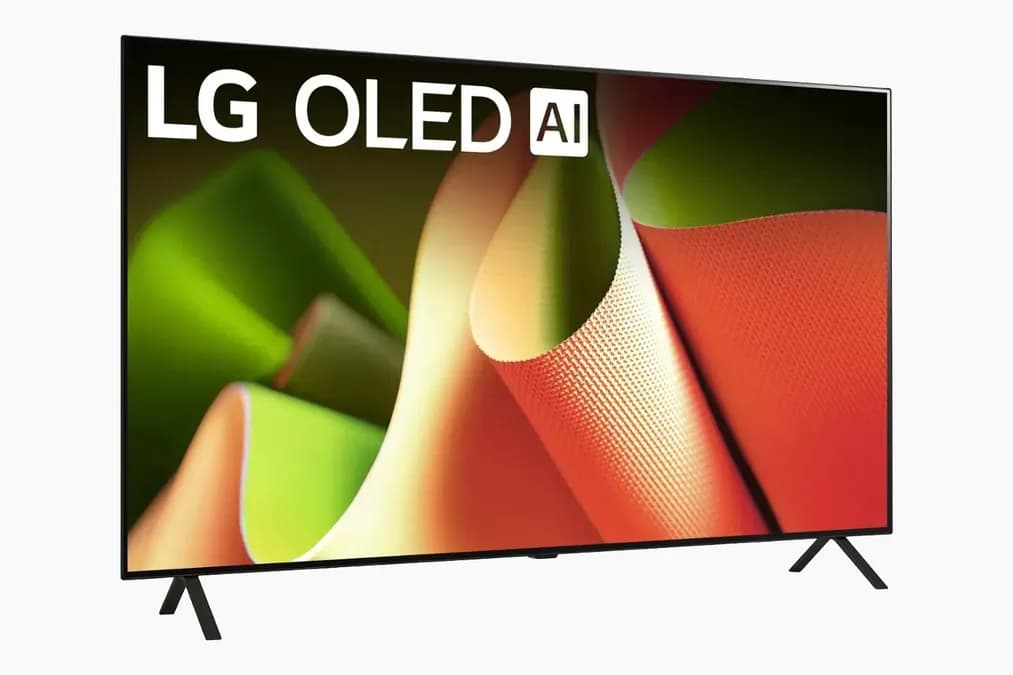
LG Pushes Back Against Smart TV Spying Allegations
LG Electronics released a public statement this week addressing the LG TV spying allegations that surfaced after researchers from Gamers Nexus, Level1Techs, and independent security analysts documented troubling data collection behavior on the company's smart TVs. In its response, LG stated that "Some recent media coverage may have contributed to misconceptions about how LG smart TVs work" — language that frames the controversy as a communications failure as much as a technical one.
The statement represents the company's first formal rebuttal to a body of research that captured significant attention among privacy advocates and hardware enthusiasts alike. LG's position is that its data practices are lawful, disclosed, and mischaracterized by some reporting. Whether that defense holds up depends heavily on what the original research actually found — and what end users were told when they agreed to their TV's terms of service.
How LG Smart TVs Collect and Upload User Data

Smart TVs from virtually every major manufacturer collect viewing data through a technology called Automatic Content Recognition, or ACR. The system works by periodically capturing samples of whatever appears on screen — from streaming apps, cable, or a connected gaming console — and matching those samples against a reference database to identify content. This is not passive observation. It is continuous, automated fingerprinting of viewing behavior.
Read next Laika's Wildwood: Stop-Motion Fantasy at TIFF 2026Princeton University's IoT Inspector project, which has monitored network traffic from consumer smart devices since 2019, found that smart TVs from multiple brands routinely contact third-party advertising and analytics servers. The researchers documented traffic patterns suggesting some devices transmit viewing data even when users believe they have opted out. That research predates the current LG controversy but establishes the technical baseline for understanding what the newer findings mean.
The specific allegations against LG involved researchers observing their test devices logging and uploading data in ways that were not clearly disclosed during standard setup. The concern is not simply that data is collected — that much is well-documented across the industry — but that the scope and persistence of collection exceeded what a reasonable consumer would expect after reviewing LG's stated privacy settings.
The Role of Gamers Nexus and Level1Techs in the Investigation

Gamers Nexus built its reputation on teardown-level hardware analysis, particularly of PC components and peripherals. The outlet's methodology relies on empirical measurement: packet captures, network logs, and reproducible testing rather than speculation. Level1Techs occupies similar ground, with emphasis on enterprise and security-adjacent hardware topics. Neither outlet has a history of sensationalizing findings, which is part of why their involvement in the LG TV spying allegations drew immediate industry attention.
When outlets with this kind of technical credibility document specific network behavior — naming the endpoints contacted, the frequency of data transmissions, and the conditions under which collection occurs — their findings carry more evidentiary weight than a general privacy complaint. Their reports, combined with corroborating analysis from independent security researchers, created a multi-source body of evidence that LG had to address directly.
This multi-party verification matters. A single researcher's findings can be dismissed as methodology error. When three independent groups observe similar behavior, the statistical probability of coordinated misinterpretation drops sharply.
Smart TV Privacy: A Broader Industry Problem
LG TV spying allegations don't exist in isolation. According to a 2023 report from the Electronic Frontier Foundation, nearly every major smart TV platform — including those from Samsung, Vizio, Roku, and Amazon — engages in some form of ACR-based data collection. Vizio settled a Federal Trade Commission action in 2017 for $2.2 million after the company was found to have collected viewing data without adequate consumer disclosure — a case that set clear regulatory precedent but did not end industry-wide collection practices.
The business model driving this behavior is straightforward. TV manufacturers earn revenue not just from hardware sales but from advertising technology partnerships. Viewing data — aggregated and sold to ad tech intermediaries — helps advertisers target households based on what they watch. A household streaming cooking content receives different ad targeting than one watching financial news. The TV becomes, in effect, a behavioral data collection device that also displays entertainment.
Academic research from Carnegie Mellon University's CyLab has documented how difficult it is for average consumers to meaningfully opt out of this ecosystem. Privacy settings are frequently buried, toggle states are not always preserved across firmware updates, and the language used in user agreements often understates actual collection scope.
What LG TV Owners Can Do to Protect Their Privacy
The most effective mitigation for LG owners — and smart TV users generally — is network-level blocking. A home router running open-source firmware, or a DNS-based filtering solution like Pi-hole, can block known telemetry endpoints before any data leaves the local network. This approach does not require modifying the TV itself and survives firmware updates that might reset on-device privacy toggles.
At the device level, LG's WebOS includes a setting called "Live Plus" that controls ACR functionality, along with separate toggles for interest-based advertising. Navigate to Settings → Support → Terms & Privacy and review each option individually. Routing streaming through a separate device — an Apple TV or a Raspberry Pi — removes the TV's ability to collect data from streaming apps, though HDMI-connected sources may still be fingerprinted if ACR remains active.
Factory-resetting the TV and refusing location permissions during setup reduces the initial data profile LG can build. Consumers should understand, however, that some baseline telemetry — diagnostic data, crash reporting, firmware check-ins — may continue regardless of privacy settings, often treated as a condition of receiving software updates.
What This Means for Consumer Trust in Smart TVs
LG's rebuttal frames the controversy as a misunderstanding. The phrase "misconceptions about how LG smart TVs work" implies that properly informed consumers would have no cause for concern. That framing carries a burden: it requires that LG's disclosures were clear enough that a non-technical user could have anticipated the data collection behavior researchers documented.
Consumer trust in smart TV platforms has been eroding for years, driven by a slow accumulation of settlements, regulatory actions, and investigative reporting across the industry. The LG TV spying allegations add a technically documented data point to that trend. Whether LG's response satisfies regulators — particularly in the European Union, where GDPR enforcement has been active in the consumer electronics space — remains an open question.
What the episode clarifies is that the gap between what manufacturers disclose and what devices actually do continues to generate controversy. Researchers will keep running packet captures. When findings contradict marketing copy, companies will issue clarifications. The cycle repeats because the underlying economic incentive — monetizing viewer data through ad tech — has not changed.
For consumers, the practical lesson is to never treat a TV's default settings as privacy-protective. Every major platform collects data; the question is how much, and whether the disclosed scope matches the technical reality. On that question, independent researchers and LG currently disagree.
Related coverage
- Amazon Driver Smart Glasses Snap Photos Constantly
- Smart Home Graveyard: Why Devices Keep Dying
- Every Smart TV Maker Is Harvesting Your Data
Source: The Verge