What Is Methane and Why Does It Matter for Climate?
Methane is a simple gas with an outsized climate effect. Its chemical formula, CH4, means each molecule contains one carbon atom and four hydrogen atoms. It is the main component of natural gas, forms when organic matter breaks down without oxygen, and is released by wetlands, livestock, landfills, coal mines, and oil and gas systems.
For the climate, methane matters because it traps heat very efficiently. Carbon dioxide is the main driver of long-term warming because it is emitted in huge volumes and can remain in the climate system for centuries. Methane behaves differently: it is shorter-lived, lasting roughly a decade in the atmosphere, but it is much more powerful while it is there.
A useful analogy is a campfire and a flare. Carbon dioxide is the campfire, burning for a long time and steadily heating the surroundings. Methane is the flare, burning hotter over a shorter period. Both warm the planet, but methane has a particular influence on the speed of warming over the next few decades.
The Intergovernmental Panel on Climate Change has found that methane has far greater heat-trapping power than carbon dioxide over near-term time horizons. According to IPCC Sixth Assessment Report values summarized by the Greenhouse Gas Management Institute, methane’s warming impact is about 80 times stronger than CO2 over 20 years and around 30 times stronger over 100 years, depending on whether it comes from fossil or biological sources and how climate-carbon feedbacks are counted.
That short atmospheric lifetime gives methane policy a rare feature in climate strategy: cutting methane emissions can slow warming relatively quickly. Reducing carbon dioxide remains essential for stabilizing the climate over the long run. But reducing methane can lower the rate of warming in the near term, buying time for deeper changes in energy, transport, industry, and land use.
Major Sources of Methane Emissions
Methane comes from both natural and human-driven sources. Natural wetlands are the largest natural source, as microbes produce methane in waterlogged soils. But the sharp rise in atmospheric methane since the industrial era is largely linked to human activity.
Read next How Climate Change Works: A Clear ExplainerAgriculture is one of the biggest sources. Ruminant animals such as cattle, sheep, and goats produce methane during digestion, a process called enteric fermentation. Manure storage can also release methane, particularly when waste is kept in liquid systems. Rice paddies are another agricultural source because flooded fields create oxygen-poor conditions where methane-producing microbes thrive.
The energy sector is another major contributor. Methane escapes during oil and gas production, processing, transport, and storage. Leaks can come from valves, compressors, pipelines, storage tanks, wells, and abandoned infrastructure. Some methane is also intentionally vented or released during maintenance. Coal mining releases methane trapped in coal seams, both from active mines and abandoned sites.
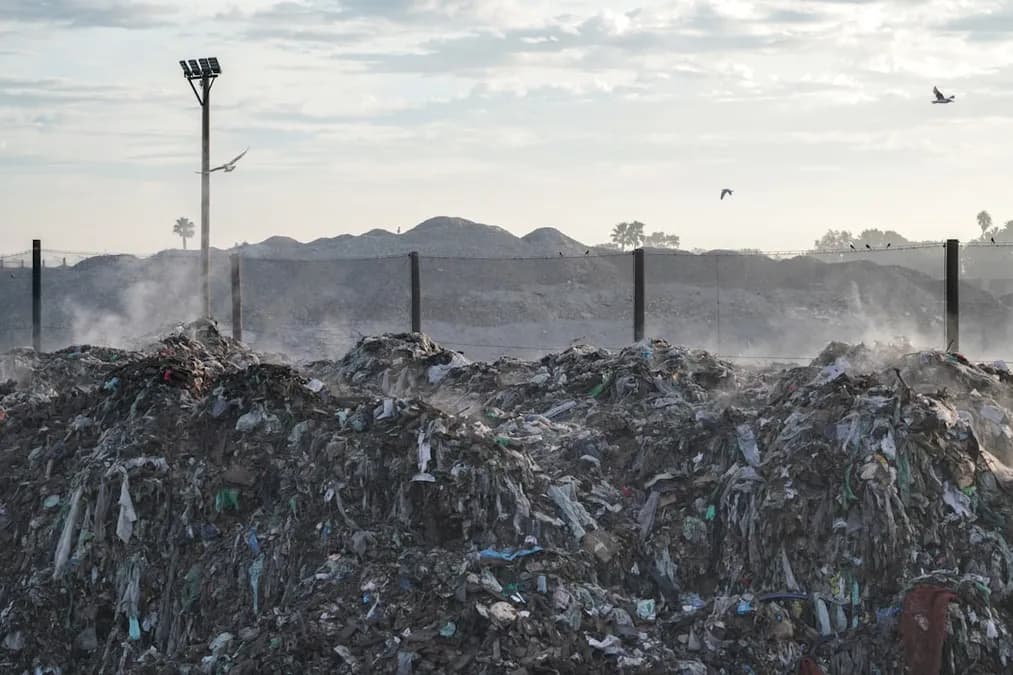
Waste systems add another large share. In landfills, food scraps, paper, yard waste, and other organic materials decompose without much oxygen, producing methane. Wastewater systems can also emit methane when sewage is treated or stored under anaerobic conditions.
The International Energy Agency’s Global Methane Tracker has repeatedly emphasized that fossil fuel supply offers some of the fastest and cheapest opportunities for reductions. In its 2025 tracker, the IEA said available technologies could cut methane from fossil fuel operations dramatically, often at low cost because captured gas can be sold rather than wasted.
The sources vary by country. A heavily agricultural economy may see most methane from livestock and rice. A major oil and gas producer may have larger energy-sector emissions. Rapidly urbanizing countries may face rising landfill methane unless waste systems improve. This is why methane policy cannot be one-size-fits-all; it has to target the dominant local sources.
Methane's Role in Global Warming
Methane is the second-largest contributor to human-caused climate warming after carbon dioxide, according to NASA and other major climate science agencies. It does not dominate total warming the way CO2 does, but it has played a substantial role in pushing temperatures higher.
The chemistry matters. Methane absorbs infrared radiation in parts of the spectrum where Earth emits heat. It also contributes indirectly to warming by influencing ozone in the lower atmosphere and water vapor in the stratosphere. Ground-level ozone is itself a greenhouse gas and an air pollutant, meaning methane reductions can bring both climate and public-health benefits.
Because methane is so potent over 20 years, high methane emissions can accelerate warming in the period when societies are trying to hold global temperature rise near internationally agreed limits. This is why climate scientists often describe methane reduction as a near-term lever. It is not a substitute for cutting carbon dioxide; it is a complement.
The distinction matters because climate debates sometimes treat gases as interchangeable through “CO2 equivalent” accounting. That can be useful, but it can also hide timing. A ton of methane emitted today has a steep warming effect over the next few decades, then fades as it breaks down. A ton of CO2 has a smaller immediate impact per molecule but persists far longer. Effective climate policy needs both lenses: rapid methane cuts for near-term temperature control and deep CO2 cuts for long-term stabilization.
Methane also connects climate policy with food, energy security, and waste management. Fixing a leaking gas system prevents product loss. Capturing landfill gas can generate electricity or heat. Changing livestock feed, improving manure management, and reducing food waste can lower agricultural pressure. These are not abstract climate measures; they are operational changes in systems people use every day.
Current Trends in Atmospheric Methane Levels
Atmospheric methane is at historically high levels. NOAA’s global monitoring network reported that methane rose from 1,915.73 parts per billion in 2023 to 1,921.79 parts per billion in 2024. NASA’s methane indicator showed levels around 1,935 parts per billion in January 2025.
The trend is not just upward; it has accelerated in recent years. NOAA’s Annual Greenhouse Gas Index reported that from 2020 to 2024, methane increased by an average of 12.3 parts per billion per year, faster than the 2015-2019 average of 8.5 parts per billion per year and the 2010-2014 average of 6.7 parts per billion per year.
Scientists are still working to fully explain the recent acceleration. Likely contributors include fossil fuel emissions, agriculture, waste, and changes in wetlands as warming and rainfall patterns shift. Tropical wetlands may be emitting more methane in some regions as temperatures rise and hydrological conditions change. At the same time, satellite monitoring has made large methane releases easier to detect, revealing “super-emitter” events from oil, gas, coal, and waste facilities.
This improved detection is changing the politics of methane. For years, methane leaks were difficult to measure consistently. Companies and governments often relied on estimates from equipment counts and emission factors. Satellites, aircraft, drones, and ground sensors now make it possible to identify large leaks more directly. That does not solve the problem by itself, but it makes denial and delay harder.
The numbers show a clear reality: methane concentrations are still rising, and current policies are not yet reducing global methane emissions at the pace required for climate goals.
Strategies to Reduce Methane Emissions
The most immediate methane reductions are in the fossil fuel sector. Operators can find and repair leaks, replace faulty equipment, end routine venting and flaring, capture gas from wells and pipelines, and properly close abandoned wells and mines. Many of these steps use existing technology. Regular leak detection and repair programs are among the simplest measures, especially when paired with enforceable standards and transparent reporting.
In oil and gas systems, the key is to treat methane as both pollution and wasted product. A leaking gas system is a climate problem, but it is also an efficiency failure. Strong rules can require operators to monitor infrastructure, fix leaks quickly, limit flaring, and measure emissions rather than estimate them from outdated assumptions.
Coal methane is harder in some cases but still manageable. Mines can capture methane for use as fuel or destroy it through oxidation. Abandoned mines need monitoring because they can continue emitting after production ends.
In agriculture, solutions are more varied. Better feed quality, feed additives, improved animal health, breeding strategies, and herd management can reduce methane from livestock. Manure digesters can capture methane and turn it into biogas, though they must be carefully managed to avoid leaks. Rice farmers can reduce emissions by using alternate wetting and drying rather than keeping fields continuously flooded where conditions allow.
Waste policy can also deliver large gains. Keeping organic waste out of landfills through composting, anaerobic digestion, and food-waste prevention reduces methane formation. Existing landfills can install gas capture systems. Wastewater plants can improve treatment and recover biogas.
Public policy is crucial because methane sources are dispersed and often invisible. Voluntary programs can help, but durable reductions usually require standards, monitoring, enforcement, and financing. The Global Methane Pledge, launched in 2021, commits participating countries to work toward cutting global methane emissions by at least 30 percent from 2020 levels by 2030. That target is widely cited because it is ambitious but technically plausible if major emitters act quickly.
Why Cutting Methane Is Key to Climate Goals
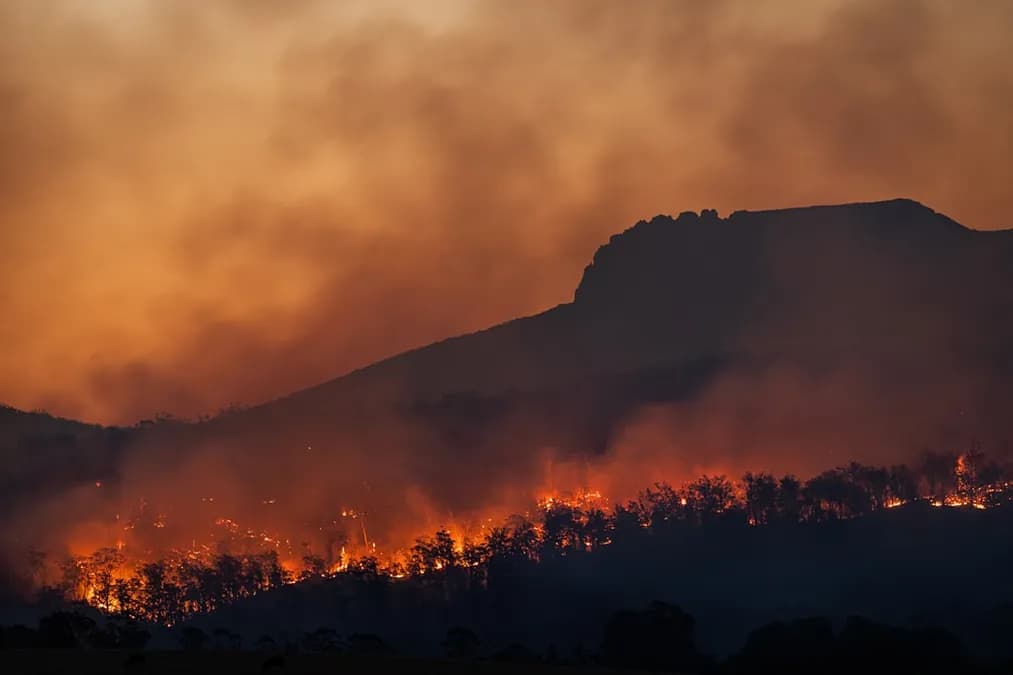
Cutting methane is one of the fastest ways to slow warming this decade. That matters because the world is already experiencing more intense heat waves, heavier rainfall, stronger wildfire conditions, and rising coastal risks as temperatures climb.
Methane reductions cannot carry climate policy alone. A world that cuts methane but keeps burning coal, oil, and gas at high levels would still face dangerous long-term warming from carbon dioxide. But a world that cuts CO2 while allowing methane to keep rising would make the next few decades hotter than they need to be.
This is the practical case for methane action: it is fast, measurable, and often cost-effective. The benefits arrive sooner than many other climate measures because methane breaks down relatively quickly. Lower emissions today can translate into a slower warming rate within years to decades, not centuries.
There are also local benefits. Reducing methane can lower ground-level ozone, which damages crops and harms lungs. Capturing gas can improve energy efficiency. Reducing food waste saves households and businesses money. Better manure and landfill management can reduce odors and improve water quality.
The climate challenge is often described as a long transition, and much of it is. Rebuilding power grids, electrifying transport, decarbonizing heavy industry, and changing land-use patterns will take sustained effort. Methane is different. Many of the tools are already available, and the scientific case is settled: rapid methane reductions are necessary to keep climate goals within reach.
The task now is execution. Governments need strong rules. Companies need accurate measurement and repair programs. Farmers and waste managers need financing and technical support. Consumers can reduce food waste and support policies that make methane cuts standard practice.
Methane’s danger lies in its potency. Its opportunity lies in its short life. Cutting methane emissions sharply this decade would not solve climate change, but it would slow its pace at a moment when every fraction of a degree matters.