OpenAI is preparing a public relations push for after the US midterm elections, and one idea on its list is to rename its data centers “AI compute campuses.” According to TechCrunch, which relays an Axios report, chief global affairs officer Chris Lehane said the midterms will be a preview of how AI features in the 2028 presidential election.
What did Chris Lehane say OpenAI plans to push?
Lehane listed several proposals, according to the source. They include developing AI “speed limits,” helping people see AI as something that empowers them in daily life, and pushing the United States to take a role in writing global standards. The rebrand of data centers was on the same list.
The source does not explain what an AI speed limit would involve, who would set it, or whether any of these proposals has a timeline. Treat the list as a set of stated goals, not policy.
Would renaming data centers change anything on the ground?
The source does not say. A new name for a facility does not, by itself, change its power use, water use, location or who approves it. The debate Lehane described is about those things, which is why the rename draws attention.
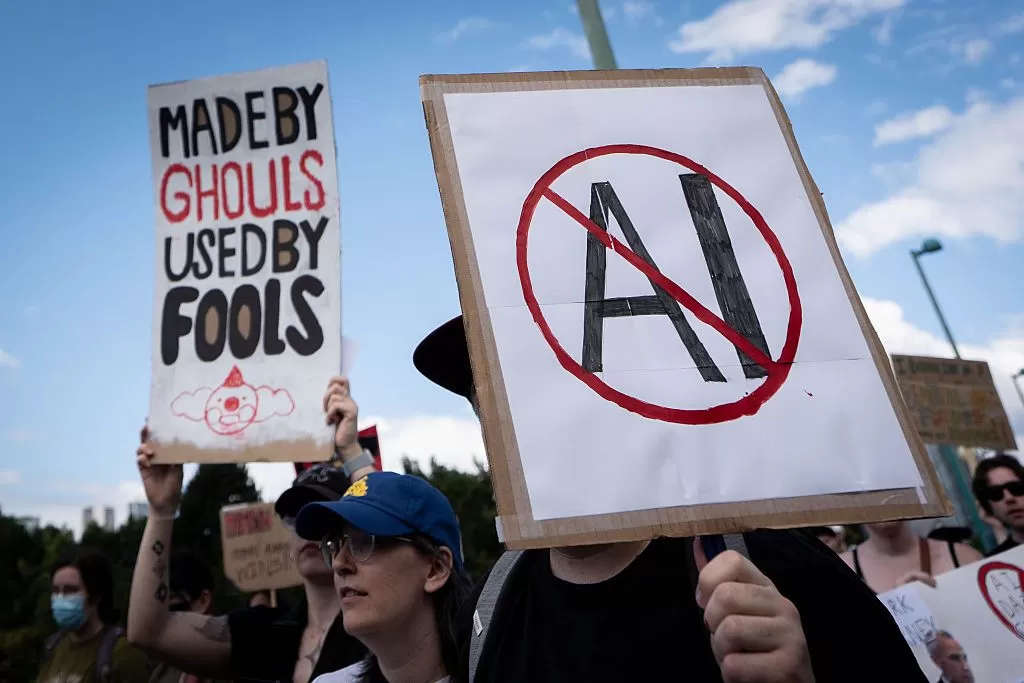
Lehane called the public conversation about data centers “good and healthy.” TechCrunch noted that the debate has already pushed Amazon and Microsoft to say they will no longer use non-disclosure agreements in negotiations with local governments. Lehane said: “Communities should hold companies responsible and accountable so they really and truly get a transformative benefit from these projects.”
Who should pay attention, and what to check first
Developers and IT buyers who depend on OpenAI services are unlikely to see direct effects from a naming change. People who live near a proposed data center, or who work in local government, have more at stake, because the approvals and agreements that shape those projects happen locally.
If you want to follow the story, start with the original Axios report that TechCrunch cites. Then look for the local planning records or public meeting notices for any data center project near you. These usually show who is applying, what power and water the facility will need, and whether the developer has signed any agreements with the local government.
Where the picture is incomplete
The source is a short news item built on a secondhand report. It quotes one executive and does not include any OpenAI document, official statement or timeline. It also does not say whether the rename will happen, which name would be used in formal filings, or how the company would define a “compute campus.”
The source also does not mention the outcome of the midterm elections. TechCrunch reports that Democrats seem likely to win back the House of Representatives, and possibly the Senate, but that is a forecast in the reporting, not a result.
Bottom line: Treat the rename as an idea OpenAI has discussed, not a decision. If you care about a specific data center, the local records will tell you more than the branding will.
Source and verification: This article summarizes a TechCrunch report published on 2 November 2026, with the source URL dated 1 November 2026. The TechCrunch piece relays an Axios report that we did not access directly. The source contains no GitHub or repository figures.
Related: Sam Altman Says OpenAI's AI Math Releases Will Continue · ChatGPT Shared Link Flaw Let Attackers Read Private Chats

Comments (0)