What Is 'The Social Reckoning' and Why It Matters
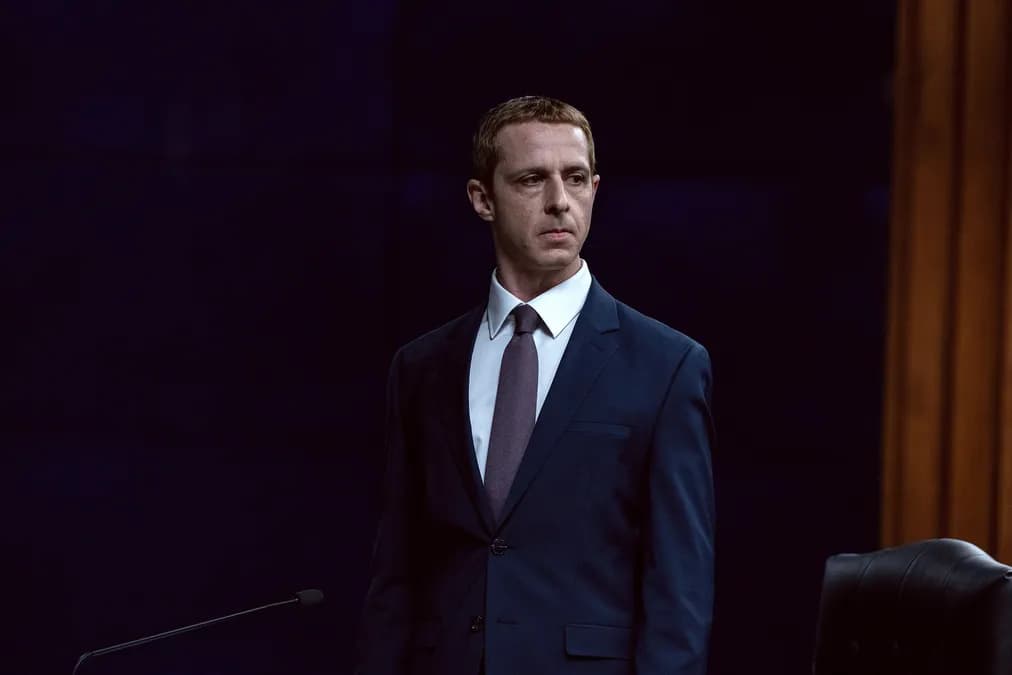
Sixteen years after The Social Network opened to standing ovations and an awards season that culminated in eight Academy Award nominations and a $224 million global theatrical gross, Aaron Sorkin has returned to the story he never fully finished. The Social Reckoning, his long-anticipated follow-up, picks up the thread of Mark Zuckerberg's life and empire at a moment when the cultural reckoning with Facebook — now rebranded Meta — has moved far beyond Harvard dorm rooms and deposition transcripts. The stakes, both cinematically and culturally, are considerably higher this time.
The first film arrived in 2010, when Facebook was ascendant and Zuckerberg was still processing the transition from college dropout to the youngest self-made billionaire in history. The world found that story thrilling, even romantic in its particular brand of Silicon Valley ruthlessness. The story The Social Reckoning presumably tells is harder to romanticize. This is a film about what that empire became: a platform that regulators, researchers, and a significant portion of the public now view with deep suspicion. According to Pew Research Center surveys conducted in recent years, a majority of American adults believe social media companies have too much power and influence over political discourse. That is the cultural atmosphere into which Sorkin has dropped his second act.
Film press received The Social Reckoning this week ahead of its theatrical debut this weekend, and the early reactions suggest Sorkin has delivered something commensurate with the weight of the subject.
First Reactions: What Critics Are Saying

The language critics are reaching for is pointed. The Social Reckoning is being described as a "solid sequel," which in the context of a film following one of the most acclaimed pictures of the 2010s is no faint praise. More striking is the tonal register of the critical shorthand emerging from these early responses: "a harsh assessment of Zuckerberg" and "a scathing indictment of the current tumultuous state of society."
Read next 1963 : le tube yéyé qui a enflammé la France — reconnaîtrez-vous cette voix ?That second phrase is the one worth sitting with. A film that implicates not only its central subject but the society that built and sustained his platform — that is a different kind of cinematic project than a biographical drama. It suggests Sorkin has written something structurally ambitious: a takedown that does not allow its audience a comfortable critical distance from the phenomenon it critiques. We used the platform. We shaped its incentives through our behavior. The reckoning, the title implies, is shared.
Full reviews are still embargoed ahead of the theatrical release, meaning the critical record is not yet complete. But the consensus language from industry observers with early access points toward a film that meets its predecessor's ambitions rather than retreating from them. "Scathing indictment" is a phrase critics deploy carefully; it carries weight precisely because it is not easily earned.
How 'The Social Reckoning' Differs From 'The Social Network'

The Social Network was, structurally, a legal thriller. Its drama lived in competing depositions, in the gap between what different characters remembered and what they were willing to admit. It was a film about the founding mythology of a company and the human wreckage that mythology obscured. Sorkin, working from Ben Mezrich's book, framed Zuckerberg as a particular American type: the brilliant misanthrope who builds a social world he cannot inhabit himself.
The Social Reckoning arrives without the relative innocence of that origin story. The company its subject built has now spent years at the center of congressional hearings, whistleblower testimony, academic research on algorithmic harm, and multiple rounds of regulatory scrutiny across two continents. The European Union has levied significant fines against Meta under digital market regulations. Frances Haugen's 2021 disclosures placed internal Facebook research — research the company conducted and then set aside — into the public record. This is the landscape a sequel must navigate.
Early reactions suggest the film does not soften any of it. A "harsh assessment" implies that Sorkin has followed the facts of the post-2010 era wherever they lead, without the hedging that comes with hagiography or the selective framing of a PR-adjacent narrative. The shift from The Social Network's relatively contained story — the founding, the lawsuits, the early betrayals — to the sprawling accountability questions of the Meta era represents a genuine structural challenge. If the first film was a courtroom drama in spirit, the sequel sounds more like a tribunal.
Sorkin's Track Record With Tech Takedowns
The case for taking The Social Reckoning seriously on a craft level begins and ends with what Sorkin actually won an Academy Award for: the screenplay for The Social Network. In a year when the film competed against The King's Speech, Inception, True Grit, and The Fighter, the Oscar for Best Adapted Screenplay went to Sorkin's script. The Academy does not often reward films about corporate founding mythology with that kind of recognition. The fact that it did speaks to something in the writing that transcended the subject matter.
Sorkin's gift, as a dramatist, is finding the ideological argument inside the personal conflict. His scripts are not documentaries; they are structured debates in which every character is the best possible advocate for their own position. That approach works particularly well with subjects who are themselves highly articulate and deeply motivated. Zuckerberg, whatever one thinks of his decisions as a platform steward, has never been described as ideologically incurious. He has a worldview. Sorkin is at his best when his subjects do.
His broader body of work — The West Wing, Moneyball, Steve Jobs — demonstrates a consistent preoccupation with brilliant men whose competence in one domain coexists uneasily with significant failures of judgment or ethics in another. The pattern is so consistent it reads as thematic rather than coincidental. The Social Reckoning fits that template with uncomfortable precision.
What the Film Says About Facebook and Today's Digital Society
A film described as "a scathing indictment of the current tumultuous state of society" is making a claim that goes beyond corporate biography. It is arguing that the platform and the culture it shaped are inseparable — that you cannot fully understand what Facebook became without understanding what its users wanted it to be, what advertisers incentivized it to become, and what regulators allowed it to remain.
The Pew Research Center has documented declining public trust in social media institutions over multiple years, with particular concern about misinformation, mental health effects on younger users, and the concentration of platform power in a small number of private hands. These are not fringe concerns. They represent majority positions among American adults when surveyed directly. That public skepticism provides the cultural backdrop against which The Social Reckoning lands this weekend.
Sorkin is not a documentarian, and his film is not a journalism project. But the emotional and intellectual resonance of his work depends on its accuracy to the texture of a moment. If early reactions are correct that the film captures the "tumultuous state of society," it is because that state is real, documented, and widely felt — not because Sorkin invented the conditions his screenplay describes.
Theatrical Release and What to Expect
The Social Reckoning opens in theaters this weekend. Full critical reviews are expected to publish in the coming days, ahead of the wide release. The film arrives with the built-in audience recognition of a recognizable franchise — insofar as serious dramatic filmmaking about real corporate figures can be called that — and the gravitational pull of a story that has not finished generating controversy since Sorkin first touched it.
The question this weekend will answer, commercially and critically, is whether audiences in 2026 are willing to sit with a film that implicates them. The Social Network allowed its viewers a degree of remove; the founding betrayals were years old, the lawsuits settled, the subject already in the rearview of history's judgment. The Social Reckoning does not have that luxury. Its events are recent. Its subject is still active. The society it indicts is still logging on.
Whether that proximity sharpens the film's impact or complicates its reception remains to be seen. What the first reactions confirm is that Sorkin has not blinked.
Source: Variety