HBO Max and Paramount Plus are on a path to become a single streaming service after Paramount completed its $110 billion acquisition of Warner Bros. Discovery, creating the combined media company known as Skydance. The deal, confirmed in an official press release, marks one of the largest media consolidations in history and will fundamentally reshape how tens of millions of viewers watch television.
What Is the HBO Max and Paramount Plus Merger Under Skydance?
The HBO Max and Paramount Plus merger is the direct result of Skydance Media's acquisition of Warner Bros. Discovery, a transaction valued at $110 billion. The newly combined company, operating under the Skydance name, announced in a press release confirming the deal's completion that both streaming platforms will "unify into a single service over time," according to the company's official statement.
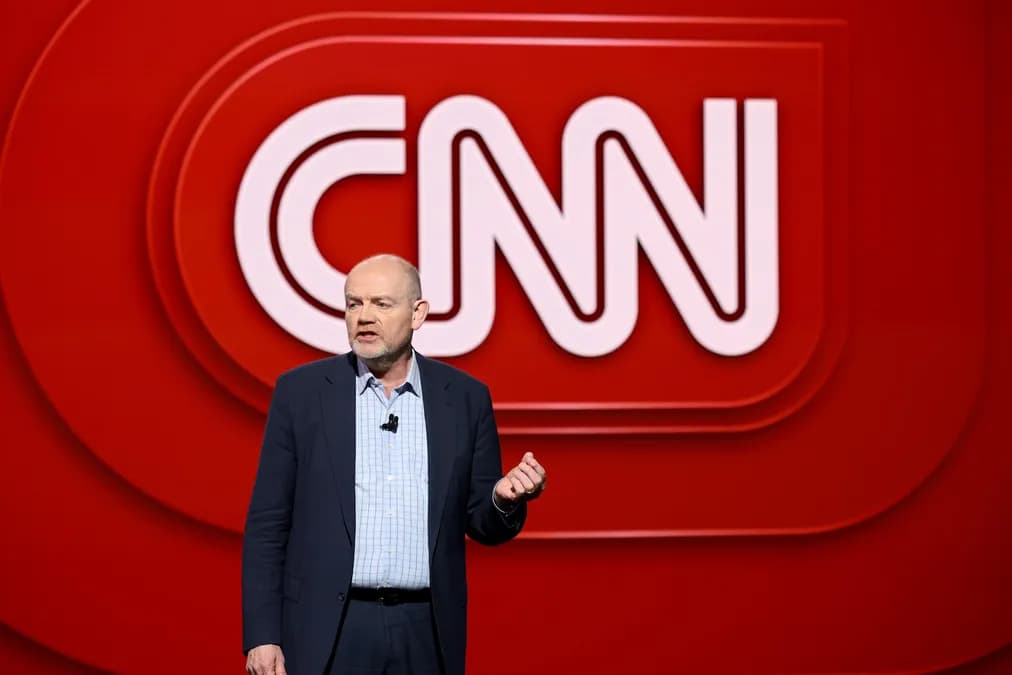
Skydance CEO David Ellison anchored that timeline in careful language. Rather than committing to a hard date, he signaled a deliberate transition — one that suggests the technical and contractual complexity of merging two major platforms is something the company plans to manage in stages. The press release represented the first official confirmation that the two services, which have long competed for the same streaming budgets, would eventually stop competing with each other entirely.
For viewers, the short answer is this: if you subscribe to either HBO Max or Paramount Plus today, the service you use will eventually become one product. When, and exactly what that product looks like, remains to be fully defined.
Why Are HBO Max and Paramount Plus Being Combined Into One Service?
The logic behind consolidating two large streaming services into one comes down to a problem that has plagued the streaming industry for years: too many services chasing too few subscribers.
Read next Laika's Wildwood: Stop-Motion Fantasy at TIFF 2026When Paramount acquired Warner Bros. Discovery in a deal worth $110 billion, the strategic rationale extended well beyond combining two corporate structures. Maintaining two separate streaming platforms means paying for two sets of technology infrastructure, two content licensing operations, two customer service organizations, and two marketing budgets. Merging them eliminates that redundancy while, in theory, delivering more content to a single subscriber at a price point that makes the combined service competitive against dominant players like Netflix and Disney Plus.
There is also the matter of content depth. HBO Max has historically been associated with prestige television and a dense catalog of Warner Bros. theatrical releases. Paramount Plus built its identity around live sports, CBS programming, and franchises like Star Trek and the Paramount film library. A merged service would carry both — a meaningful differentiator in a market where catalog depth increasingly determines subscriber retention.
The $110 billion price tag signals just how seriously Skydance's backers view this consolidation play. Deals of that magnitude are not made on operational savings alone. They reflect a conviction that the combined entity can compete at scale in a way neither company could independently.
How Will the Merger Affect Current HBO Max and Paramount Plus Subscribers?
For now, both services continue to operate as separate products. The company's press release does not specify a deadline for the unification, and Ellison's language — "over time" — deliberately avoids a firm commitment. That measured phrasing is common in large media transactions, where regulatory obligations, licensing agreements, and platform architecture can take years to untangle.
What subscribers can reasonably anticipate is a transition period during which both apps remain available, followed at some point by a migration to a unified platform. Whether that means one app absorbs the other, or an entirely new branded product launches, the company has not publicly confirmed. The official statement addresses intent, not execution detail.
Pricing is another open question. When Disney merged Hulu into its ecosystem more tightly, subscribers saw changes to plan structures and billing. A similar adjustment is plausible here, though any specific figures beyond the acquisition's $110 billion valuation would be speculative at this stage. Skydance has not issued pricing guidance in the material available from the announcement.
One practical takeaway for subscribers: this is a long runway, not an immediate disruption. The company's language about unifying "over time" is the authoritative signal about pace, and nothing in the official announcement suggests an abrupt cut-over is imminent.
Skydance: The New Combined Media Giant
Skydance is the name of the entity that emerged from the $110 billion acquisition of Warner Bros. Discovery by Paramount. It is not a household name in the way that HBO or Paramount are, but it now controls both.
Before this deal, Skydance Media was known primarily as a film and television production company with credits including several Mission: Impossible installments and Top Gun: Maverick. Its CEO, David Ellison — son of Oracle co-founder Larry Ellison — has positioned Skydance as a technology-forward media company, and the acquisition represents an enormous expansion of that ambition.
The combined company now holds some of the most recognizable brands in the entertainment business. Warner Bros., the studio behind the DC film universe and decades of theatrical output, sits alongside HBO, one of the most respected names in scripted television. Add Paramount's film library, the CBS broadcast network, MTV, Nickelodeon, and the streaming infrastructure of both Max and Paramount Plus, and the resulting entity is among the largest media portfolios assembled since the consolidation waves of the 1990s and early 2000s.
Ellison announced the deal's completion and framed the streaming merger as a central pillar of Skydance's strategy. The press release, the official record of that announcement, frames the unification of both streamers as a stated corporate goal — not a rumor or analyst projection, but a commitment made at the moment the deal closed.
What Does This Streaming Consolidation Mean for the Broader Industry?
The HBO Max and Paramount Plus merger, completed under Skydance, does not happen in isolation. It is the latest and largest in a series of consolidation moves that have slowly reduced the number of major streaming services competing for subscriber attention.
For years, the streaming wars were defined by proliferation. Networks, studios, and tech companies launched platforms at a rapid pace, betting that consumers would tolerate fragmented libraries and multiple monthly fees. That era is visibly ending. The appetite of investors and executives for redundant streaming platforms has been eroding since 2022, when subscriber growth began to slow across the industry and profitability became the dominant metric.
A $110 billion deal to merge two of the industry's major players sends a clear message to smaller and mid-sized streaming services: the consolidation pressure is not easing. Services without the scale to compete on content volume, technology investment, or brand recognition face a narrowing path forward.
For the remaining giants — Netflix, Disney Plus (which encompasses Hulu and ESPN Plus in various bundle configurations), and Amazon Prime Video — the emergence of Skydance as a unified platform creates a more formidable competitor than either HBO Max or Paramount Plus posed individually. It also raises questions about whether further consolidation is ahead, and who the likely partners or acquisition targets might be.
Regulators will remain a factor. Transactions of this scale draw scrutiny from antitrust authorities, and the terms under which Skydance was permitted to close the deal will shape what the company can do with its combined assets. The press release marks completion of the acquisition, but regulatory conditions often come with ongoing compliance requirements that influence content distribution and bundling decisions for years afterward.
What the industry can observe clearly, based on the confirmed facts in Skydance's announcement, is this: two major streaming platforms are now owned by the same company and have been publicly committed to becoming one. The mechanics of that transition will define a significant chapter in the history of how Americans watch television — and how the media business survives its own disruption.
Source: The Verge