Apple's push to make the iPhone Air the thinnest smartphone in its lineup shows no sign of slowing. A new rumor out of South Korea suggests the second-generation iPhone Air will shave another 0.4mm off an already record-thin frame — and somehow do it while carrying a larger battery than its predecessor. If accurate, the numbers point to one of the more technically ambitious design moves Apple has attempted in the modern iPhone era.
iPhone Air 2: Apple's Thinnest iPhone Yet at 5.2mm
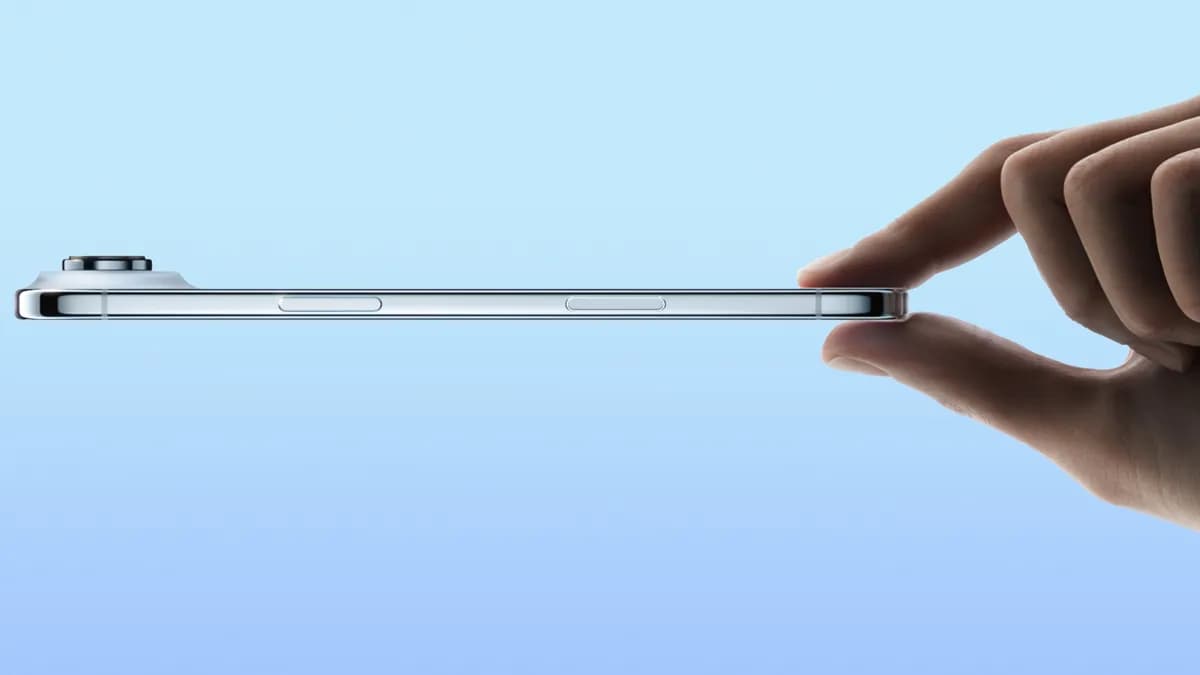
Apple officially lists the current iPhone Air at 5.6mm thick — a figure confirmed on Apple's own product page and a measurement that already made it the slimmest iPhone Apple had ever shipped at launch. A 0.4mm reduction from that baseline, as reported by the Korean Naver blog account known as yeux1122 and subsequently covered by MacRumors, would put the iPhone Air 2 at approximately 5.2mm.
That 7% reduction may sound modest in absolute terms, but context matters. Shaving fractions of a millimeter off a device that already pushes the limits of internal component packaging is not a linear engineering problem. Every 0.1mm reclaimed at these dimensions requires meaningful rework of the device's internal stack — the battery cell geometry, the logic board layout, the camera module, and the structural frame all have to yield ground simultaneously. Apple has done this before with the MacBook Air lineup, iterating on thinness across generations while maintaining thermal and battery targets. The iPhone Air appears to be following a similar cadence.
At 5.2mm, the iPhone Air 2 would represent a new floor for iPhone dimensions. No current iPhone model comes close. The iPhone 16 Pro and iPhone 16 Pro Max both measure in at 8.25mm and 8.2mm respectively, making the Air 2's rumored thickness less than two-thirds of the Pro line. That gap has real-world implications for how the device feels in hand and pocket.
Battery Capacity Gets a Boost Despite the Slimmer Profile
Here is where the rumor becomes genuinely interesting. A separate report, also picked up by MacRumors, suggests the iPhone Air 2 will carry a 3,500mAh battery. The current iPhone Air ships with a 3,149mAh cell. The jump amounts to roughly 351mAh, or approximately 11% more raw capacity.
Read next iPhone Duo's Hidden Fake Bezel Setting ExplainedGetting more battery into a thinner phone is not impossible, but it requires tradeoffs or advances in battery cell density. Apple has invested heavily in battery technology partnerships and cell chemistry over the past several years, and energy-dense cells have allowed the company to grow capacity even in constrained form factors. Still, an 11% capacity increase alongside a 7% reduction in overall thickness is an unusually favorable combination if both reports are accurate.
For users, the practical implication depends heavily on how Apple manages power consumption across the A-series chip generation that will presumably power the Air 2. Raw milliampere-hour figures do not translate directly to screen-on time; the chip's efficiency profile matters as much as the cell size. The current iPhone Air's 3,149mAh battery already drew some criticism in early reviews for delivering less stamina than comparably priced iPhone models, partly a consequence of the form factor's physical constraints. A 3,500mAh cell, paired with whatever efficiency gains Apple's next processor generation delivers, could meaningfully address that criticism.
iPhone Air 2 Thickness Matches the Unfolded iPhone Duo
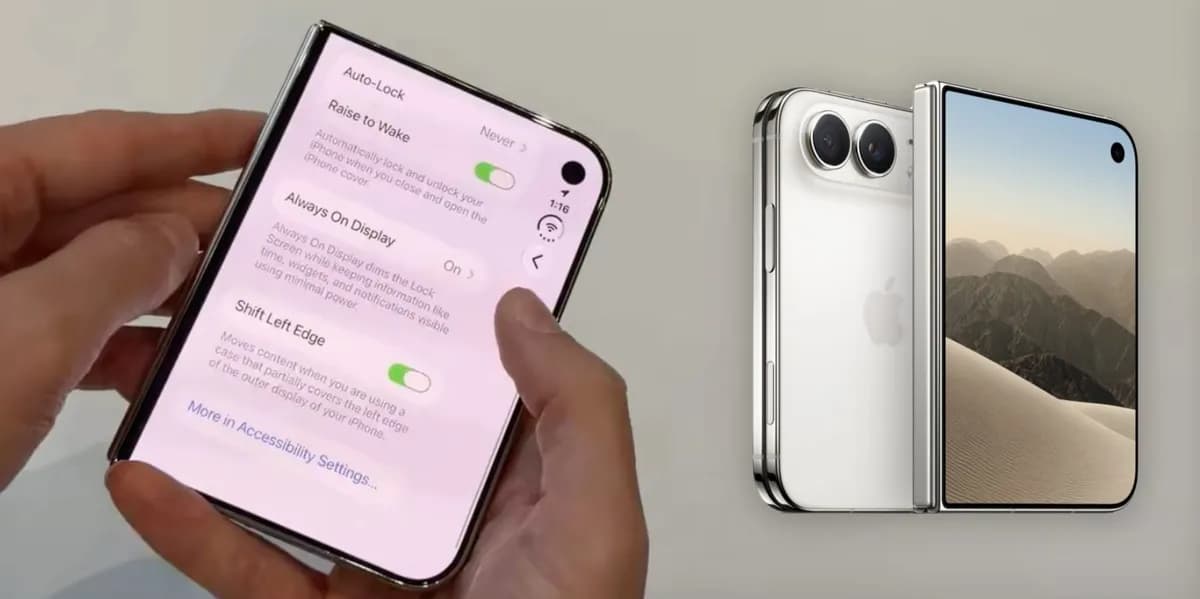
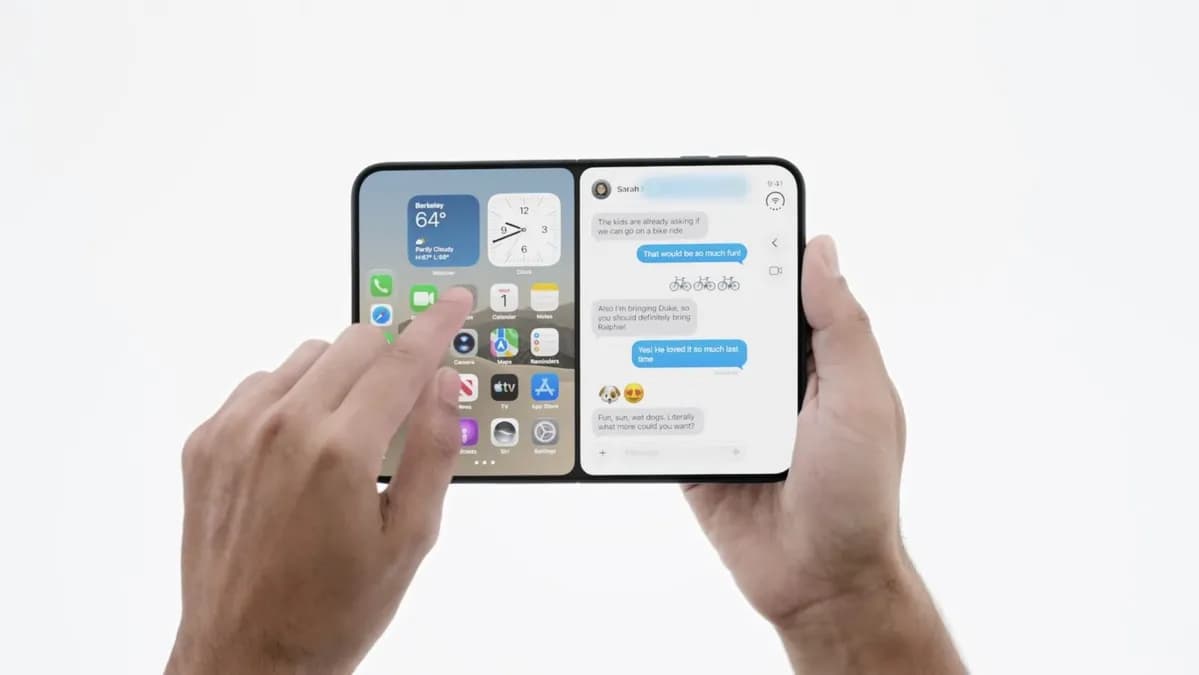
The 5.2mm figure carries additional significance beyond raw thinness records. At that measurement, the iPhone Air 2 would apparently match the thickness of the iPhone Duo when fully unfolded. The iPhone Duo is Apple's anticipated foldable iPhone, widely expected to measure somewhere around 5.2mm in its open configuration — putting it on par with a flat slab device is a deliberate positioning signal.
Apple rarely arrives at these equivalences by accident. Engineering a foldable to match a flagship thin device at the same thickness underlines a particular argument: that the foldable form factor does not require users to accept a thicker device when open. Whether the iPhone Duo achieves that in practice remains to be confirmed, but pairing that claim with the Air 2's rumored dimensions suggests Apple is working toward a portfolio where its thinnest devices — flat and foldable alike — occupy the same tier.
This also sets up an interesting competitive dynamic within Apple's own lineup. Two products at nominally the same unfolded thickness, one costing significantly more than the other, will force Apple to differentiate the Duo on screen area, multitasking capability, and the foldable experience itself rather than on form factor alone.
Where the iPhone Air 2 Fits in Apple's 2027 Lineup
According to the MacRumors report, the iPhone Air 2 is expected to arrive early in 2027, alongside the iPhone 18e and the standard iPhone 18. That early-year window tracks with how Apple handled the first iPhone Air, which debuted in the spring rather than alongside the fall Pro lineup.
The lineup structure that emerges from this timeline is notable. Apple would be shipping four distinct iPhone tiers simultaneously or in close succession: the iPhone 18, the iPhone 18e at the entry level, the iPhone Air 2 as the thin-and-light premium option, and the iPhone Duo as the foldable halo product. Each occupies a different axis of the market — price, form factor, size — and the Air 2 slots in as the option for buyers who prioritize physical dimensions above all else and are willing to pay a premium for them.
Whether the iPhone Air 2 carries a faster chip than the standard iPhone 18 or matches it spec-for-spec remains unknown at this stage. The first iPhone Air launched with the same chip as the iPhone 16, so a similar alignment with the iPhone 18 seems plausible.
Credibility of the Rumor: Who Is yeux1122?
The source for the 0.4mm thinness claim is a Naver blog account operating under the handle yeux1122, a South Korean leaker who has been cited by MacRumors and other established Apple news outlets on prior occasions. Korean supply chain sources have a credible track record on Apple hardware specifics, partly because several of Apple's key suppliers — including display and semiconductor manufacturers — maintain significant operations in South Korea, putting well-placed observers closer to production line specifications than counterparts in other regions.
MacRumors' decision to cover the yeux1122 post signals editorial judgment that the source clears a basic threshold of credibility. That said, this remains an unconfirmed rumor. The device has not been announced by Apple, no official specifications exist, and supply chain leaks at this stage of a product cycle reflect early-stage planning that can shift before mass production. The claim should be treated as a data point rather than a certainty. Apple has not commented on the report.
Should You Wait for the iPhone Air 2?
If you currently own an iPhone Air and are satisfied with its performance, the answer is probably yes — provided the early 2027 timeline holds. An 11% battery improvement and a measurably thinner chassis are tangible upgrades rather than incremental spec bumps, and the alignment with the iPhone Duo's unfolded profile suggests Apple is treating the Air line as a long-term platform rather than a single-generation experiment.
For anyone on an older iPhone considering the current iPhone Air, the calculus is less clear. The existing model's 5.6mm profile and 3,149mAh battery are already competitive with anything on the market. Waiting four to six months for a thinner device with more capacity is worth doing only if the form factor itself is the primary reason you're buying.
What these two leaks together confirm — pending any official word from Apple — is that the iPhone Air 2 is shaping up as a technically serious device, not merely a repeat of the first generation with a new model number.