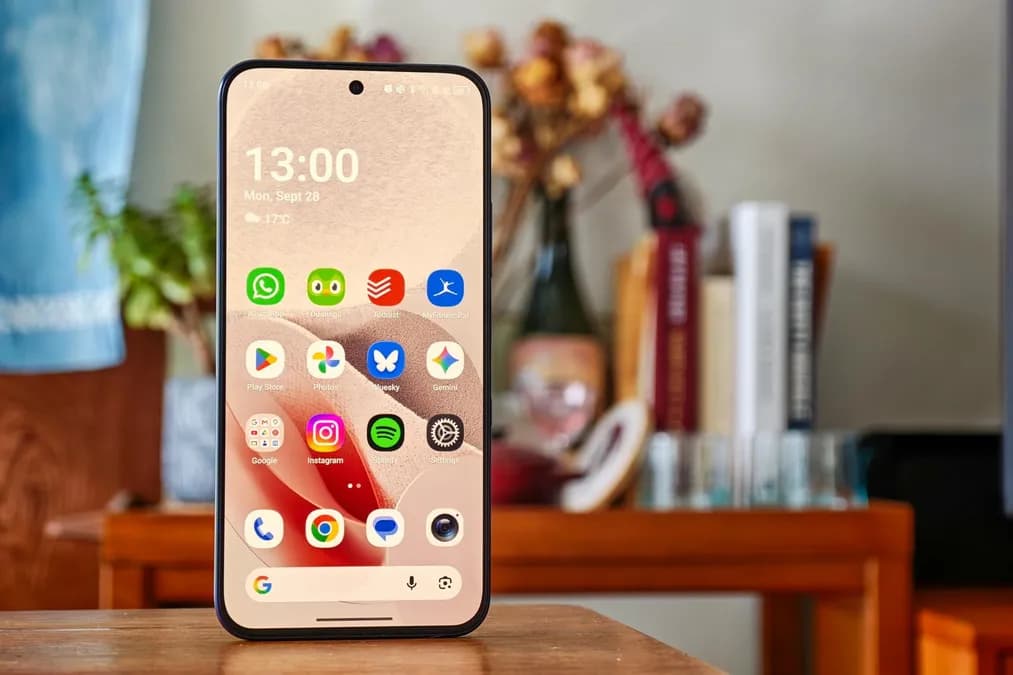
Spend two weeks with a phone that does almost nothing remarkable — except for one screen that genuinely changes how you interact with your device — and your priorities shift. That's what the TCL P80 Ultra matte OLED display did to at least one reviewer who spent most of the past couple of weeks living with it. The handset is, by most measures, a forgettable midrange Android. The display is anything but. And somehow, a modestly priced TCL has become the clearest argument yet for why Apple's rumored matte inner panel on the iPhone Duo deserves real excitement.
What Is TCL's NxtPaper Matte OLED Technology?
TCL introduced its NxtPaper branding in 2023, initially as a descriptor for panels engineered to reduce eye strain by diffusing light more evenly across the display surface. The idea was straightforward: take the rich contrast and deep blacks that define OLED, then apply an anti-reflective surface treatment that scatters incoming ambient light rather than bouncing it straight back at the viewer. Early NxtPaper implementations leaned on LCD substrates, which limited peak brightness and color volume. Matte OLED represents the technology's maturation — combining that diffusion layer with a true OLED backplane capable of individually addressed pixels and near-infinite contrast.
The physics matter here. Standard glossy OLED panels reflect approximately 4 to 5 percent of ambient light directly back toward the viewer, a figure cited consistently by display analysts at firms like DisplayMate and Omdia when benchmarking smartphones in real-world conditions. A well-engineered matte coating can drop specular reflectance below 1 percent, spreading residual light diffusely rather than creating mirror-like hotspots. The practical result is a screen that stays readable under overhead office lighting, afternoon sun, and the bright café windows that routinely defeat glossy displays.
TCL P80 Ultra: A Midrange Phone With One Standout Feature
The TCL P80 Ultra matte OLED panel sits inside a device that makes no pretense about its market positioning. This is a midrange Android — the processor, camera system, and software all reflect a price bracket well below flagship territory. That context matters. It means TCL is betting that the display alone can carry the product's value proposition, a telling bet about where consumer attention is heading.
Read next Laika's Wildwood: Stop-Motion Fantasy at TIFF 2026Beyond the screen, the P80 Ultra hits the expected midrange marks without distinction. The camera performs acceptably in good light and struggles after dark, as midrange cameras tend to. The software is serviceable. Battery life is reasonable. None of it would compel anyone to choose this handset over similarly priced competitors — unless they cared deeply about the single component TCL chose to elevate. The matte display is the entire argument for this device's existence, and the company seems to know it.
The Matte OLED Experience in Real-World Daily Use

Glossy screens look spectacular in controlled conditions — inside a retail box, or under the flattering dim lighting of a store display. Outdoors, the calculation inverts. Glare from a glossy OLED makes text painful to parse, turns video into a mirror, and forces users to shade the screen with one hand while squinting with the other.
After sustained daily use, reviewers spending time with the TCL P80 Ultra matte OLED consistently describe the same shift: you stop thinking about the screen. That sounds like faint praise but it's actually the highest compliment a display can earn. A panel that disappears from awareness — never prompting you to tilt, shade, or reposition the phone — has done its job completely. Reading outdoors, navigating in midday sun, glancing at notifications through a car windshield: the matte surface handles all of it without demanding accommodation.
Color accuracy is a legitimate concern with matte panels. The diffusion layer can reduce perceived saturation and sharpness compared to a premium glossy OLED. TCL addresses this with calibration profiles that boost saturation when the coating is active, though independent measurements suggest these compensations introduce minor white balance shifts. It's a real trade-off, but one most users would accept given the readability gain across the majority of daily use environments.
Why the P80 Ultra Builds Anticipation for the iPhone Duo
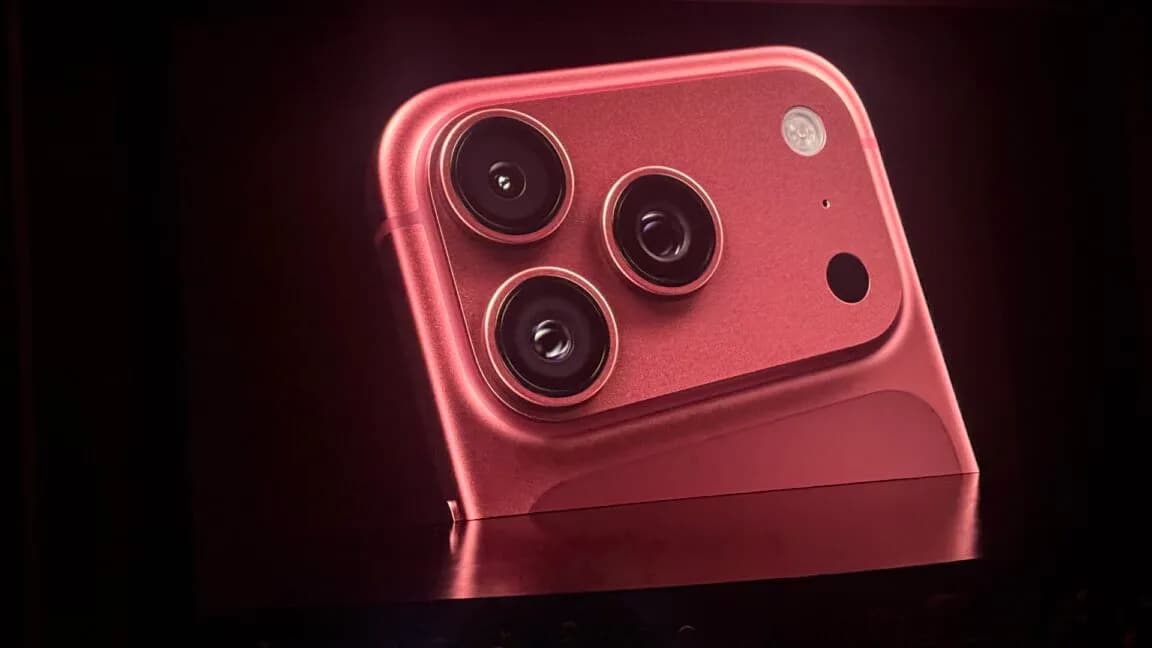
Apple's iPhone Duo — the company's anticipated foldable — has generated sustained analyst commentary around one specific design choice: the inner display surface. Multiple supply chain observers tracking BOE and Samsung Display panel orders have noted Apple's apparent selection of a matte inner panel as a deliberate departure from the glossy inner screens on competing foldables like the Samsung Galaxy Z Fold series.
The TCL P80 Ultra matte OLED experience makes that choice tangible in a way spec sheets cannot. Foldable inner displays carry a structural disadvantage: the crease created by folding is visually amplified by specular reflectance, since light bouncing off the groove is more conspicuous on a glossy surface. A matte treatment would simultaneously reduce crease visibility and eliminate the glare problems that have made many users reluctant to rely on foldable inner screens outdoors. If Apple applies anti-reflective engineering similar to what makes the P80 Ultra memorable — backed by Apple's display calibration history — the result could substantively change what foldable inner screens feel like to use.
The P80 Ultra functions, in this framing, as an inadvertent proof-of-concept running several months ahead of Apple's release calendar.
Matte vs. Glossy OLED: Trade-offs Every Buyer Should Know
Matte panels are not universally superior. DisplayMate has documented that top-tier glossy OLED panels — particularly Samsung Display's latest generation — achieve peak brightness above 2,000 nits, which can partially compensate for reflectance by simply overwhelming incoming light. At those extremes, a glossy panel can remain readable outdoors even while reflecting 5 percent of ambient light back at the viewer.
The matte approach solves glare structurally rather than energetically: instead of bruting past reflections with sheer brightness, it prevents them from forming. This is better for battery endurance, since the display doesn't need to sustain peak brightness to stay legible. It also tends to lower eye fatigue across long reading sessions. The downside is that matte surfaces can soften fine detail at high pixel densities — a concern TCL's NxtPaper engineering partially mitigates but doesn't entirely eliminate.
For users who spend regular time outdoors or in bright offices, the trade-off strongly favors matte. For photographers and video professionals who depend on color precision, a calibrated glossy display may still be the better tool.
The Broader Future of Anti-Glare Displays in Smartphones
TCL is not pursuing this alone. Samsung Display and LG Display have each filed patents related to hybrid anti-reflective OLED structures, and Omdia analysts project matte OLED panel shipments will grow substantially through 2027 as manufacturing costs normalize. What started as a niche NxtPaper differentiator in 2023 is on track to become a mainstream display option across price brackets.
The iPhone Duo, if it ships with the matte inner display that supply chain analysis points toward, will be the highest-profile validation of this trend. Apple's component decisions move the entire panel ecosystem — when Apple commits to a technology, manufacturers scale production and costs fall for everyone downstream.
The TCL P80 Ultra matte OLED screen is a midrange phone's single transcendent feature. It is also a credible preview of where premium smartphone displays are heading. That's a rare thing to find in an otherwise unremarkable handset.
Source: The Verge