iPhone 18 Pro Overview: What's New in Apple's Latest Flagship
Every September, Apple's Cupertino campus becomes the epicenter of a familiar ritual — a new iPhone arrives, the spec sheet expands, and millions of consumers weigh whether this is the year to upgrade. The iPhone 18 Pro follows that rhythm, but this cycle carries two genuinely meaningful advancements: a variable camera aperture system that hands photographers a level of optical control previously unavailable on an iPhone, and the A20 Pro — Apple's first chip built on a 2 nanometer process node.
Neither development arrived in a vacuum. Apple has spent the better part of a decade layering computational photography on top of fixed optical hardware, betting that software intelligence could compensate for physical constraints. With the iPhone 18 Pro, the company signals a shift — one where hardware and software work in tandem rather than hardware limitations being quietly papered over by algorithms. The result is a device that appeals directly to users who have grown frustrated by Apple making too many decisions on their behalf.
The broader story here is one of incremental refinement done well. The iPhone 18 Pro does not reinvent the smartphone. What it does is tighten the gap between professional imaging tools and pocket devices while delivering a silicon leap significant enough that developers and power users have concrete reasons to care.
Variable Camera Aperture: More Creative Control for Photographers
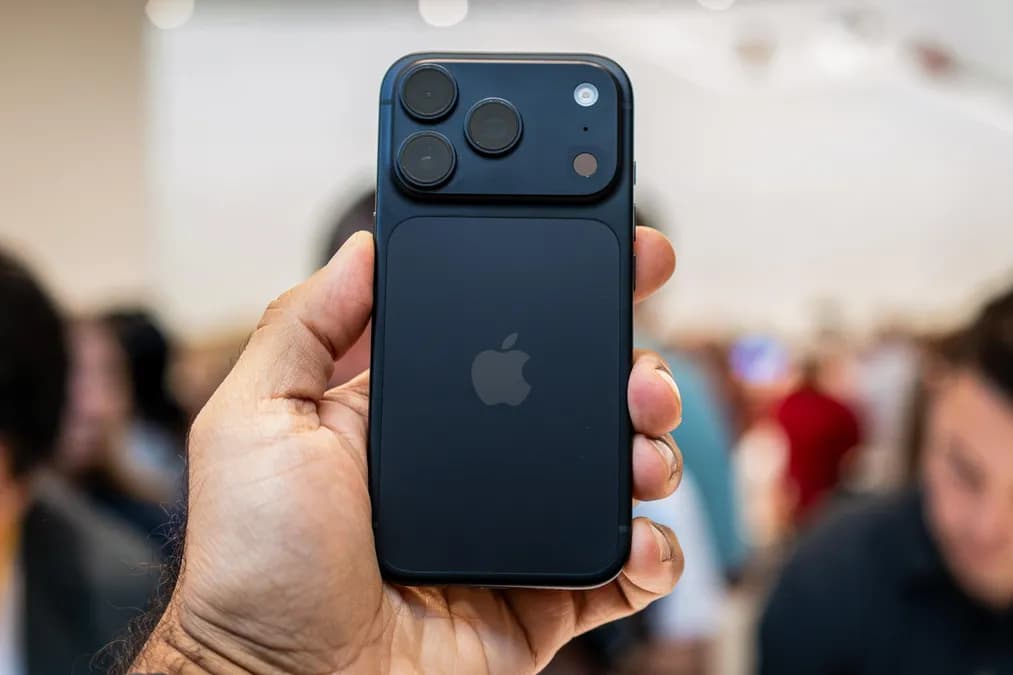
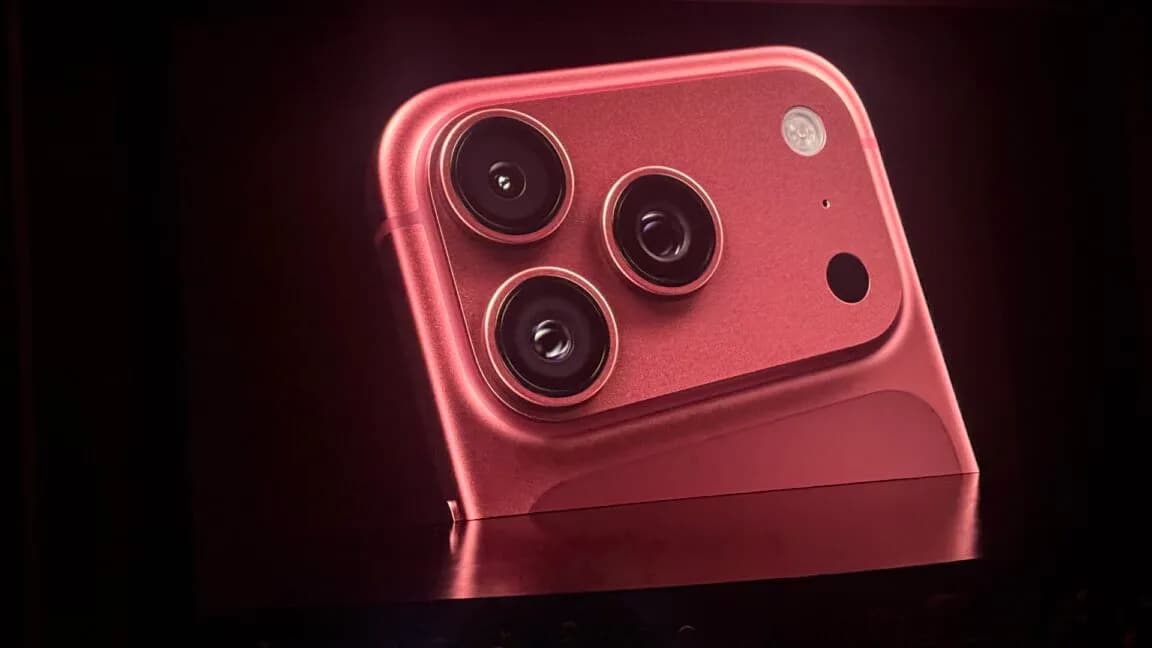
Until now, every iPhone has shipped with a fixed aperture lens — a design choice that simplified manufacturing and enabled consistent computational photography results. The iPhone 18 Pro changes that. Its new variable aperture system lets users manually adjust how much light the lens allows in, directly influencing depth of field and exposure in ways that no amount of post-processing can fully replicate.
Read next Laika's Wildwood: Stop-Motion Fantasy at TIFF 2026This is meaningful because aperture is arguably the most expressive control in photography. A wide aperture (low f-number) produces that shallow depth-of-field look — crisp subjects against blurred backgrounds — that Portrait Mode has long tried to simulate through software segmentation. A narrow aperture keeps more of a scene in focus and is essential in bright daylight shooting without relying on electronic shutter speed tricks. Having hardware-level control over this variable eliminates the artifacts and edge-case failures that plague purely computational solutions.
Android flagship manufacturers, notably Samsung with select Galaxy S-series models, have offered hardware aperture switching on certain generations — though Samsung eventually moved away from the feature in favor of multi-lens arrays. Apple's implementation appears to be a more refined, wider application of the concept, integrated into its broader computational photography pipeline rather than bolted on as a separate mode.
For working photographers who have debated whether a smartphone can genuinely replace a mirrorless camera for certain assignments, variable aperture is the kind of specification that changes the calculus. Wedding photographers, documentary journalists, and social media content creators who need predictable optical behavior in mixed lighting conditions now have a tool that doesn't require a separate camera body.
The caveat, as always, is execution. The optical quality of variable aperture systems depends heavily on the mechanical precision of the iris mechanism and how well the camera software interprets and responds to user intent. Apple's track record in that integration layer is strong, but real-world shooting tests across diverse lighting scenarios will ultimately determine whether the hardware lives up to the promise.
A20 Pro Chip: Apple's First 2nm Processor for iPhone
The A20 Pro represents a genuine manufacturing milestone. Built on a 2 nanometer process node, it is the first iPhone chip to reach that threshold — a node that allows more transistors to be packed into the same physical space, delivering efficiency and performance gains that cascade through every aspect of the device's behavior.
The CPU configuration is a 6-core design: two high-performance super-cores that Apple claims run up to 20 percent faster than the equivalent cores in the previous generation, paired with four efficiency cores that handle lighter workloads while preserving battery life. That 20 percent figure is specific and meaningful. For context, the jump from A17 Pro to A18 Pro in the iPhone 17 cycle delivered single-digit CPU gains in most independent benchmarks. A 20 percent uplift on the performance cores would mark one of the more substantive generational leaps in recent memory.
The GPU story is even more striking on paper: a 7-core graphics processor with up to 40 percent improved performance and increased memory bandwidth. For mobile gaming, augmented reality applications, and the increasingly GPU-dependent on-device AI workloads, 40 percent represents a substantial headroom expansion. Semiconductor analysts who track TSMC's 2nm process — which is expected to be the foundry behind this chip — have noted that the node offers meaningful improvements in both transistor density and power efficiency compared to 3nm, Apple's previous generation. That efficiency story matters because raw performance numbers only translate to real-world gains if the thermal and power envelope can sustain them.
Perhaps the most architecturally interesting addition is the revamped Neural Engine. Apple describes the new Neural Engine as essentially two Neural Engines consolidated onto a single chip — a doubling of the machine-learning processing capacity that underpins everything from on-device Siri processing to real-time photographic analysis. As AI-driven features become more central to the iPhone experience, the Neural Engine's capacity to run inference locally without offloading to cloud servers becomes a privacy and latency advantage that competitors running more cloud-dependent AI pipelines cannot easily replicate.
How the iPhone 18 Pro Compares to Its Predecessors
Measured against the iPhone 17 Pro, the iPhone 18 Pro advances on three vectors simultaneously: optical hardware, processing power, and machine-learning capacity. That is an unusual combination for a single generation. More often, Apple alternates emphasis — a camera-heavy year followed by a chip-focused year.
The 20 percent CPU and 40 percent GPU improvements over last generation are the headline silicon numbers, but the 2nm node transition may prove more durable in its long-term significance. Process nodes define the performance ceiling for an entire product generation. Moving from 3nm to 2nm means Apple's devices carry manufacturing headroom that won't be exhausted by the current feature set — developers building applications two or three years from now will be writing to a chip that was already ahead of its time at launch.
The variable aperture feature has no direct predecessor in iPhone history, which makes comparison with prior models somewhat straightforward: this is new capability, not refinement of existing capability.
Who Should Upgrade to the iPhone 18 Pro?
The honest answer is: not everyone. If you're holding an iPhone 16 Pro or 17 Pro and your primary use case is messaging, streaming, and occasional photos, the iPhone 18 Pro's improvements will be largely invisible in daily use.
The compelling upgrade case is concentrated in two groups. First, photographers — professional and enthusiast alike — who have been waiting for hardware aperture control before committing to an iPhone as a serious imaging tool. Second, developers and power users whose workflows are increasingly shaped by on-device AI processing: those running large language model applications locally, building augmented reality experiences, or pushing the GPU with compute-intensive tasks will find the A20 Pro's expanded Neural Engine and GPU headroom directly useful.
Users still carrying an iPhone 15 Pro or older face a more straightforward calculation. Three or four generations of chip improvements, a fundamentally new camera optical system, and the Neural Engine capacity expansion collectively represent a meaningful upgrade in daily capability rather than marginal refinement.
Final Verdict: Is the iPhone 18 Pro Worth It?
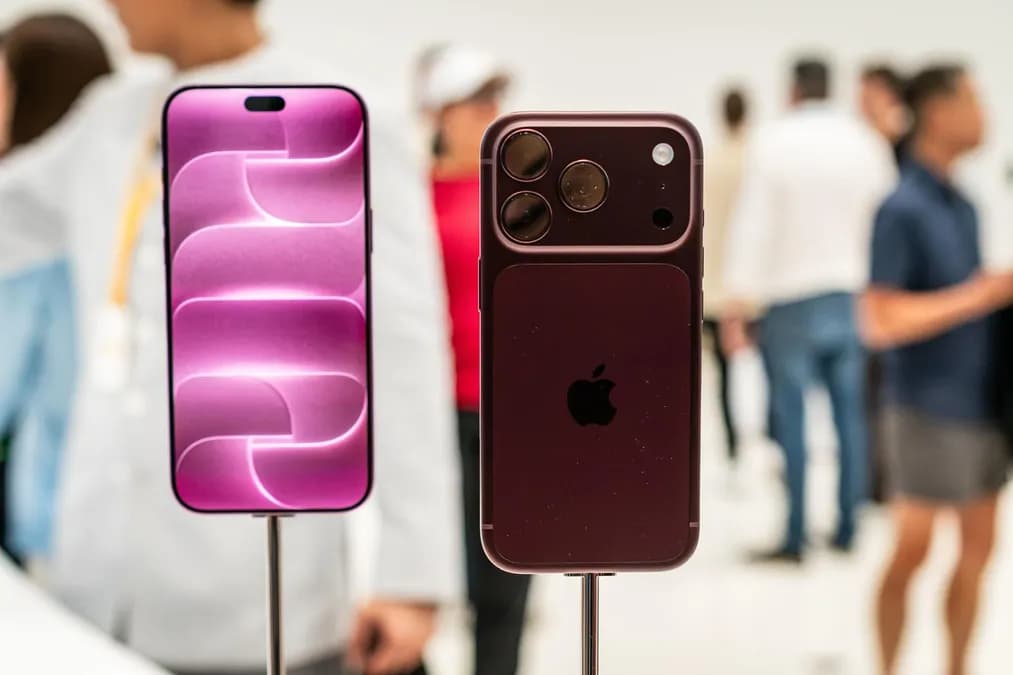
The iPhone 18 Pro earns its Pro designation through specifics rather than marketing language. The variable aperture system is a real optical advancement — not a software simulation or a marketing rename of an existing feature. The A20 Pro, built on TSMC's 2nm process with 20 percent faster super-cores, a 40 percent GPU gain, and a doubled Neural Engine, is the most capable iPhone chip Apple has shipped.
What makes this generation interesting is that the camera and chip stories reinforce each other rather than competing for attention. More powerful processing enables more sophisticated real-time interpretation of variable aperture inputs. A more capable Neural Engine means the on-device AI analyzing your scene before you press the shutter has more capacity to make accurate, fast decisions.
For the right buyer, this is a well-constructed upgrade with real hardware substance behind it. For everyone else, it is a reminder that the iPhone platform's long arc continues to bend toward tools that were once the exclusive domain of dedicated cameras and workstations — even if you personally don't need that ground today.
Source: Ars Technica - All content