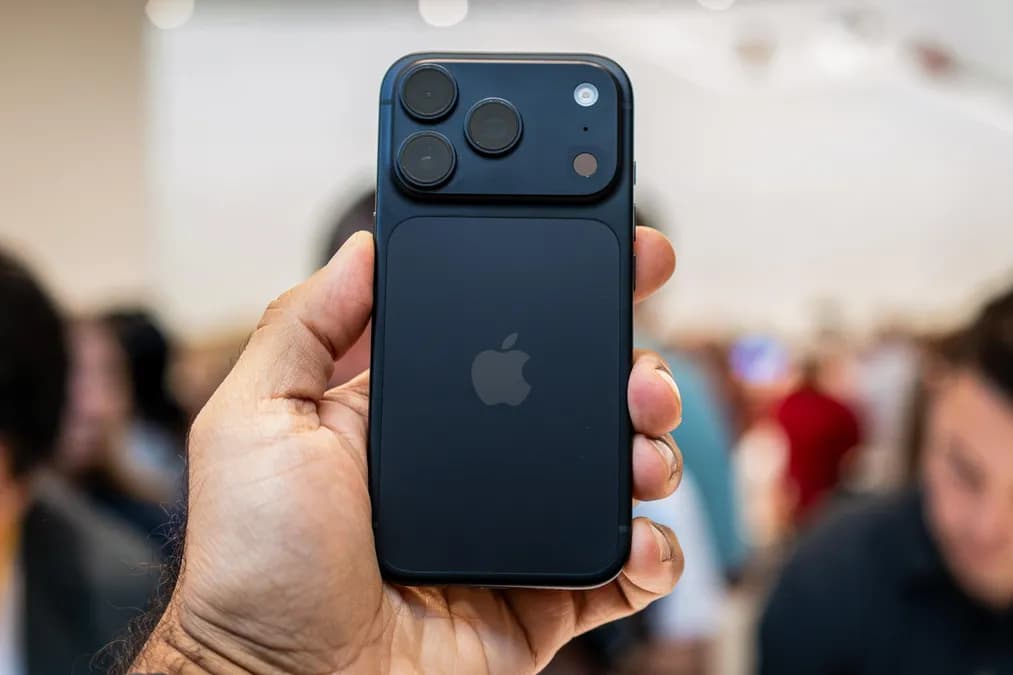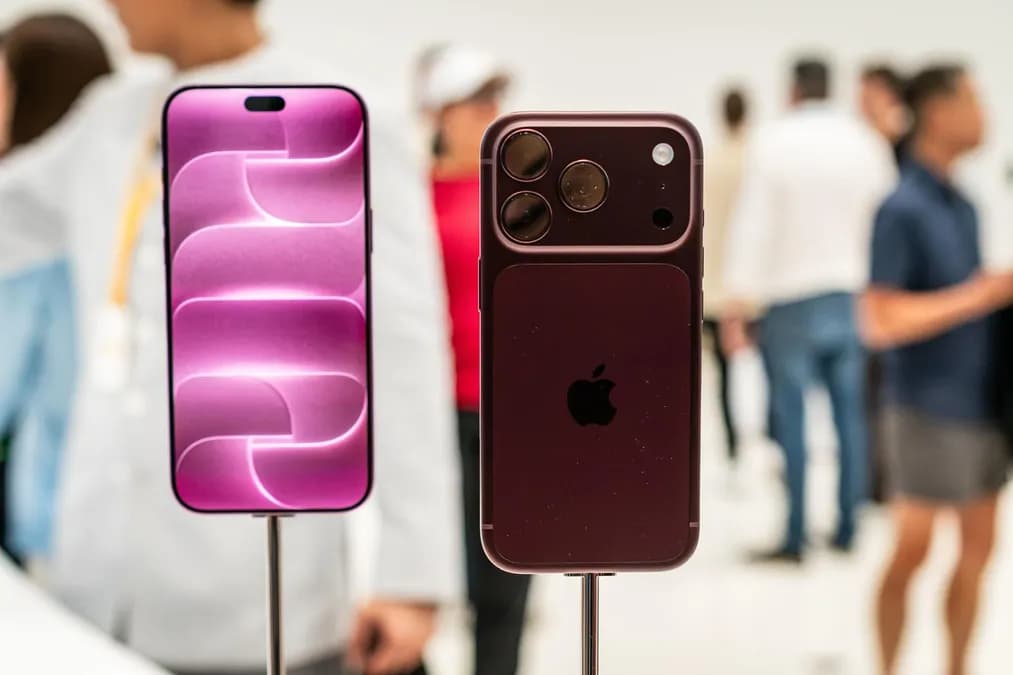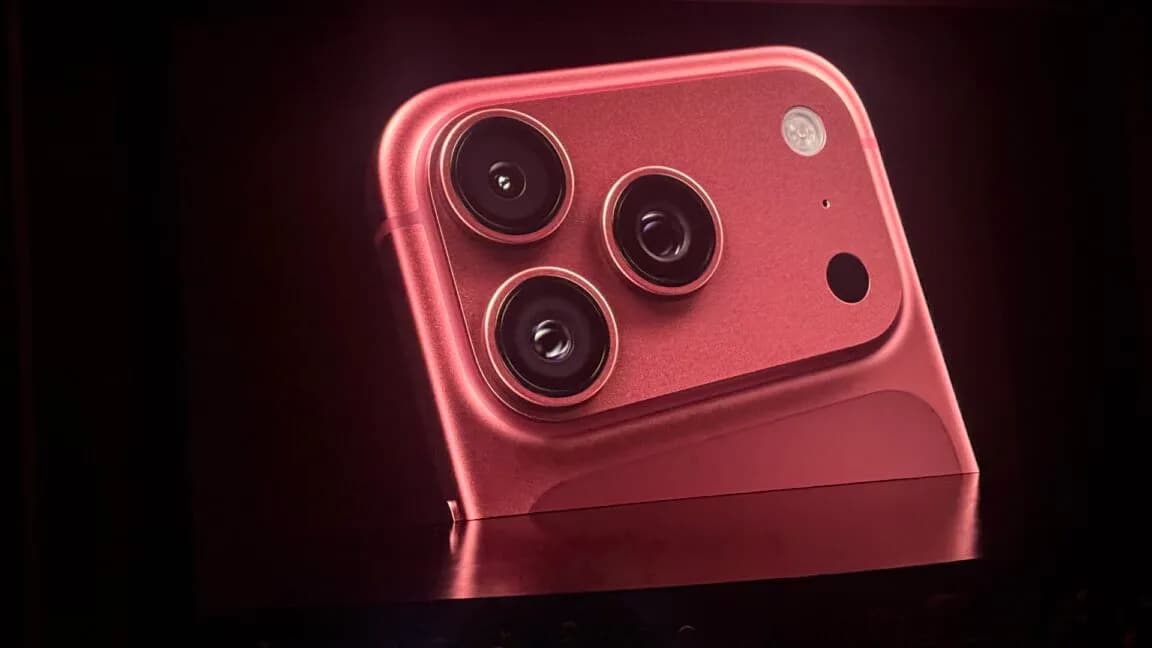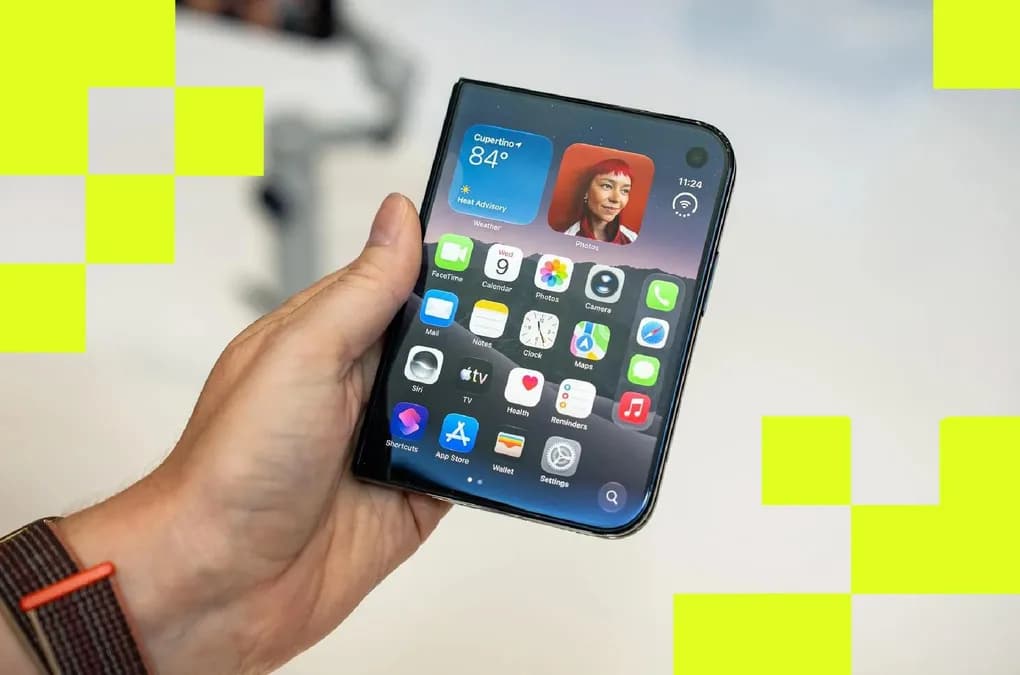
Apple's iPhone Duo: The Folding Phone That Changes Everything
Apple has always known how to make an entrance. But walking onto a stage to unveil the company's first folding smartphone — a category Apple spent years watching competitors stumble through — marks a genuinely different kind of moment. The iPhone Duo folding phone is here, and regardless of how the spec sheet eventually compares to rivals, the cultural weight of Apple finally entering the foldable market cannot be overstated.
Foldable devices have been a persistent story in consumer electronics since Samsung launched its first Galaxy Fold in 2019. Despite years of iteration from Samsung, Huawei, Motorola, and Google, the category has remained a niche curiosity for most consumers. According to Counterpoint Research, foldables accounted for roughly 1.6 percent of global smartphone shipments as recently as 2024 — a figure that, while growing at double-digit rates year over year, has stubbornly refused to go mainstream. The common explanation among analysts has been simple: no Apple. The moment Apple enters a hardware category, it tends to redefine how consumers perceive it. The iPhone Duo folding phone could do to foldables what AirPods did to true wireless earbuds — transform a polarizing form factor into an aspirational standard.
That transformation starts with first impressions, and by all accounts, Apple's launch event delivered one.
John Ternus Steps Into the Spotlight as Apple's New CEO
There is no stress test quite like unveiling a genuinely new product category in front of a global audience. John Ternus faced exactly that on his first major appearance as Apple's chief executive. The Vergecast, which covered the event in detail, noted that the transition carries historical weight — and that assessment is hard to argue with.
Read next Laika's Wildwood: Stop-Motion Fantasy at TIFF 2026Apple has navigated a CEO handoff exactly once before in the modern era. When Tim Cook succeeded Steve Jobs in 2011, the technology press spent years measuring every product against what Jobs might have done differently. Cook ultimately silenced the skeptics not with a single flashy moment but through a sustained record of operational excellence and strategic expansion — the Apple Watch, AirPods, services growth, and the M-series silicon transition all unfolded under his leadership. Ternus, who spent years as Apple's senior vice president of hardware engineering and was widely credited as the architect of the M-series chip program, arrives with a different kind of credibility than Cook did. His is a product resume, not an operations one.
That background matters on a day like this. Introducing the iPhone Duo folding phone as a CEO debut is a statement of identity. Ternus is signaling that Apple under his watch will remain a hardware-first company, willing to make large bets on physical design at a time when much of the industry is pivoting toward software and services as the primary value driver. Whether that bet pays off will take quarters to determine, but the opening move is confident.
Apple's Entry Into the Foldable Smartphone Market
Apple rarely leads on form factor. The company did not invent the smartphone, the tablet, or the smartwatch — it redefined each of them. The iPhone Duo folding phone fits that pattern precisely.
IDC data has consistently shown that foldable smartphone shipments grew approximately 25 percent year over year between 2022 and 2025, yet the category plateaued in premium perception because no device fully resolved the tension between folding durability and flagship-tier usability. Samsung's Galaxy Z Fold series developed loyal fans but never escaped the reputation for fragility and software inconsistency. Google's Pixel Fold earned critical praise for its software experience but struggled on thinness and weight. Huawei's Mate X series, impressive on paper, remained largely inaccessible to Western markets due to trade restrictions.
Apple watched all of this. The company has a well-documented pattern of entering markets late with products that address the dominant complaints about existing options rather than simply matching features. The original iPhone had no app store and no copy-paste at launch, yet its hardware and software integration made everything else feel irrelevant. If the iPhone Duo folding phone follows that template, Apple will have spent years solving crease visibility, hinge durability, and one-handed software ergonomics — the three friction points that have prevented foldables from crossing into the mainstream.
Apple's manufacturing partnership with suppliers capable of producing tight-tolerance display glass, combined with its control over both hardware and iOS, gives the company structural advantages that Android OEMs have lacked. The vertical integration that produced the world's most thermally efficient mobile chips can be applied to hinge mechanisms and display laminates. That is not speculation — it is a pattern Apple has repeated across every major hardware category it has entered.
Apple Watch and Mac Updates Announced Alongside iPhone Duo
The iPhone Duo folding phone dominated the event's narrative, but Apple's September launches rarely arrive alone. The company also announced updates to Apple Watch and the Mac lineup at the same event, maintaining the annual rhythm that keeps its hardware ecosystem refreshed on a predictable schedule.
Apple Watch updates at September events typically focus on health sensor refinements, case material options, and watchOS features tied to the year's software release. Mac updates at this time of year often center on the Mac mini or MacBook Pro lines, reflecting Apple's cadence of rolling out new silicon generations. Without detailed spec disclosures from the event, what matters most about these announcements is their context: Apple is reinforcing that the iPhone Duo folding phone exists within a broader, tightly integrated ecosystem. A foldable phone that works seamlessly with an Apple Watch and a Mac is a fundamentally different product proposition than a foldable Android device trying to synchronize with disparate hardware from separate vendors.
This ecosystem coherence is what the Vergecast rightly identified as central to understanding Apple's strategy — not any single product in isolation, but the cumulative weight of devices that share a platform, a developer community, and a services layer.
Apple Intelligence and LLMs: The Software Story Behind the Hardware
Hardware alone does not explain Apple's ambitions here. The iPhone Duo folding phone arrives at a moment when large language models have moved from research curiosity to consumer expectation, and Apple has been building toward this convergence through its Apple Intelligence initiative.
Apple Intelligence, the company's branded AI layer introduced in 2024 and expanded since, represents Apple's bet that on-device processing combined with selective cloud integration can deliver AI experiences that prioritize privacy without sacrificing capability. The Vergecast discussion touched on LLMs as a meaningful part of this launch's software story — and that framing is significant. A folding phone is not simply a new form factor; it is a new surface area for software. A larger unfolded display means more room for AI-powered summarization, split-screen context, and writing assistance tools that would feel cramped on a conventional smartphone screen.
Apple's approach to LLMs has been deliberately differentiated from OpenAI's or Google's positioning. Rather than chasing benchmark leaderboards with the largest possible models, Apple has emphasized running capable models on-device with minimal data exposure. That philosophy applies naturally to a premium foldable — a device whose buyers will skew toward the privacy-conscious, productivity-focused professionals who value the larger form factor precisely because they do more with their phone.
What the iPhone Duo Launch Means for Apple's Future
The iPhone Duo folding phone is not a product announcement. It is a thesis statement.
Apple is arguing, with hardware, that the foldable category has been underserved by companies that prioritized novelty over refinement. It is arguing, with its CEO choice, that the next era of Apple will be defined by engineering ambition rather than operational caution. And it is arguing, with the software layer underneath the hardware, that AI on a smartphone should be private, integrated, and useful rather than performative.
Counterpoint Research analysts have projected that the foldable segment could reach 3 to 4 percent of global smartphone shipments by 2027 — a figure that would represent meaningful scale if Apple captures even a fraction of it at premium price points. Given Apple's historical ability to command margins well above industry averages, the financial case for the iPhone Duo folding phone does not require the device to become the best-selling phone in the world. It requires it to become the aspirational object that shifts how the foldable category is perceived.
That is a more achievable bar, and if the early reaction from the Vergecast and the broader tech press is any guide, Apple has cleared it. You only get one chance to introduce your first folding phone. Apple chose to make its one chance count.
Source: The Verge