Why AirPods Are Apple's Most Unlikely Success Story
In September 2016, Apple stood on a stage in San Francisco and announced that the iPhone 7 would ship without a headphone jack. The reaction was swift and merciless. Tech writers declared the move arrogant. Audiophiles predicted revolt. Dongle memes flooded Twitter before the keynote stream had even ended. And yet, ten years later, AirPods have become one of the best-selling consumer electronics products on the planet — a category that arguably would not exist at the scale it does today had Apple not forced the issue.
That forced hand deserves more credit than it usually gets. Apple did not merely remove a port; it manufactured a need and then filled it. The result was AirPods: a product that debuted to mild skepticism and quickly became as synonymous with Apple as the iPhone itself. The demand was, in large part, engineered. And the engineering worked.
This is not a story that looks obvious in hindsight. It was a bet — an aggressive, customer-inconveniencing bet — and it paid off in ways that still feel remarkable to watch unfold a decade on.
What AirPods Get Genuinely Right

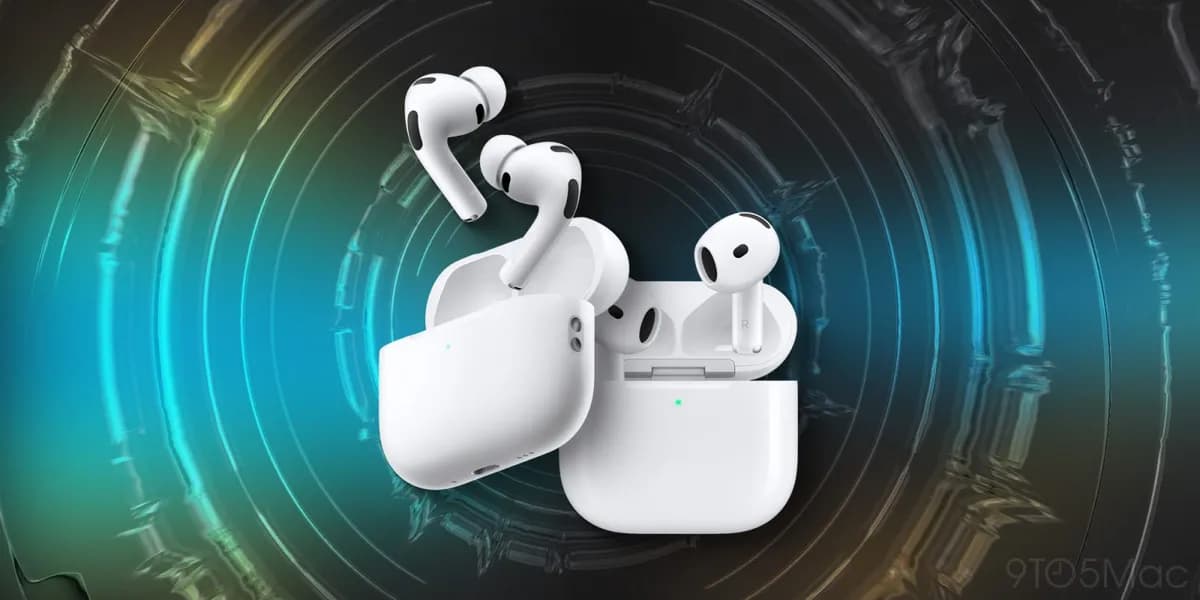
Before registering a complaint, it is worth sitting with what AirPods actually accomplish. The noise cancellation on current AirPods Pro models is, by most measurable accounts, among the best available in the true-wireless earbuds category. It adapts to environment, switches between modes fluidly, and works well enough that users regularly report wearing AirPods on construction sites, airplanes, and open-plan offices with genuine relief.
Read next iPhone Duo's Hidden Fake Bezel Setting ExplainedThen there is the health angle, which rarely gets the attention it deserves. With AirPods Pro second generation, Apple introduced an over-the-counter hearing assistance feature that received recognition from the U.S. Food and Drug Administration — a milestone that positioned a consumer electronics accessory alongside clinical-grade devices that cost many times more. Audiologists and hearing specialists noted that the accessibility implications were significant, particularly for people in the early stages of hearing loss who might otherwise go unaided for years waiting for an appointment or avoiding the stigma of traditional hearing aids.
The feature set keeps expanding. Spatial audio, head tracking, Conversation Awareness, personalized volume — each generation adds something that was not there before. For most users, AirPods just work, and they work well enough that the experience of switching to competing earbuds often feels like a step backward. That is a high bar to set, and Apple has largely maintained it.
The One AirPods Complaint No Spec Sheet Addresses

Here is the frustration that never makes it into a press release or a product comparison table: AirPods software issues surrounding device connectivity remain stubbornly inconsistent for a product that is otherwise this polished.
Specifically, the automatic device-switching behavior — the feature that is supposed to intelligently move your audio from your iPhone to your Mac and back again without manual intervention — frequently misfires. It switches when you do not want it to. It fails to switch when you do. It transfers audio from a podcast you are actively listening to on one device to another device sitting dormant on your desk, for no discernible reason. This is not a hardware problem. The Bluetooth chipset is not at fault. This is a software problem, a behavioral logic problem, and it has been present across multiple generations of the product.
The evidence that this is widespread, not isolated, is hard to ignore. Threads in Reddit's r/apple community and on MacRumors forums regularly surface users describing identical symptoms with identical language: "my AirPods keep switching to my Mac when I'm listening on my phone." These complaints are not from first-week owners unfamiliar with the settings. They come from people who have been using AirPods for years, who understand iCloud pairing, who have tried every toggle in Bluetooth preferences, and who arrive at the same conclusion — the switching logic needs work.
The maddening part is the contrast. Apple spent engineering cycles building a hearing aid. It pushed FDA recognition. It processes audio with onboard chip acceleration. And yet the basic question of which device should be playing audio right now remains, for many users, an open problem.
Why a Software Fix Should Be Simple — But Isn't
On the surface, fixing the device-switching logic sounds straightforward. Monitor which device is actively playing audio. Monitor which device the user last unlocked. Apply a sensible priority rule. Do not interrupt active playback on Device A when Device B wakes up from sleep. This is not a machine learning problem or a hardware limitation. It is a behavioral specification problem — someone needs to write down the exact rules for how switching should behave, and then implement them consistently.
The reason it persists probably has less to do with technical difficulty and more to do with organizational complexity. AirPods software straddles multiple Apple teams: the audio frameworks team, the Bluetooth stack team, the iOS devices team, and the macOS team all have skin in this game. A behavioral rule that makes sense from the iPhone side may create friction on the Mac side. Getting four or five teams to agree on a unified switching specification — and then coordinating a simultaneous fix across iOS, macOS, watchOS, and iPadOS — is harder than it sounds from outside.
That explanation is generous. It is also, after a decade of AirPods and multiple major iOS revisions, increasingly difficult to accept as a reason rather than an excuse. AirPods software issues of this category should not require a decade to stabilize.
What Apple Should Do Next for AirPods Software
The most practical request is not for new features. It is for user control. Apple should expose the switching logic as a configurable preference — not buried three menus deep, but accessible from the AirPods settings panel in the Bluetooth menu. A simple toggle: "Switch automatically" versus "Ask before switching" versus "Stay connected to this device." Three options. Existing iOS settings precedent for this kind of granular control already exists in plenty of other parts of the operating system.
Beyond that, Apple could introduce smarter context awareness. If a device has been actively playing audio in the last sixty seconds and that audio has not stopped, do not switch away from it. That single heuristic would resolve the majority of the complaints documented across user communities. No new hardware required. No new chip. A logic change, tested, shipped.
Apple is capable of this. The company that built a regulatory-recognized hearing aid in a $250 earbud is not stumped by a switching algorithm. The question is whether it has prioritized it.
The Bigger Picture: AirPods as a Platform, Not Just Earbuds
The reason this complaint matters beyond personal annoyance is what it signals about where AirPods are heading. Apple has spent a decade turning a pair of earbuds into a health platform, a spatial computing interface, and a context-aware ambient device. The vision is expansive. AirPods are increasingly positioned as the thing you wear all day, not just during commutes.
That vision only holds together if the foundation is reliable. A hearing aid you cannot trust to stay connected to the right device is less useful. A spatial audio experience interrupted by phantom switching is less immersive. The ceiling on what AirPods can become as a platform is directly tied to how well the software handles the basics.
The spec sheet will keep improving. Every year brings lower latency, better noise cancellation numbers, smarter audio processing. But the users who live with AirPods daily know that the next meaningful upgrade is not measured in decibels or chip generations. It is measured in whether the earbuds simply do what they are supposed to do, every time, without requiring a Bluetooth menu dive to correct their behavior.
That fix is well within Apple's reach. It always has been.
Related coverage
Source: 9to5Mac