I bought my Apple Watch Series 10 in January, not September. That detail matters, because Apple launched the Series 10 in September 2024, and I deliberately waited four months before handing over my money — a habit that has saved me from at least two disappointing purchases over the years. So when the Apple Watch Series 12 arrived, nobody who knows me expected me to buy one at launch. I didn't expect it either. And yet here I am, roughly a year and a half after my last purchase, typing this with a Series 12 on my wrist.
That decision wasn't impulsive. It was the product of a long-running internal argument about upgrade timing, resale math, and whether a smartwatch that looks almost identical to its predecessor can justify a new charge on my credit card. This is the story of how that argument resolved itself — and why the Apple Watch Series 12 upgrade made more sense for me than it will for plenty of other Series 10 owners.
Why I Decided to Upgrade from Apple Watch Series 10 to Series 12
Consumer Intelligence Research Partners has estimated for years that the average Apple Watch owner replaces their device roughly every two to three product generations, which puts most Series 10 buyers on a natural upgrade path toward the Series 12 or Series 13. I knew that. I also knew the standard counterargument: a watch is not a phone, the hardware ages more gracefully, and Apple still supports models going back several generations with watchOS updates. My Series 10 was not slow. Its battery was not degraded. Nothing was broken.
What actually pushed me was the timing of my own purchase. Because I bought the Series 10 in January rather than September, I had effectively compressed my ownership window. By the time the Series 12 launched, I had owned my watch for less time than a typical first-year buyer — but I had also already absorbed the depreciation hit that makes resale values collapse. That asymmetry changed the math. Waiting another full cycle would have meant owning a Series 10 for three years while the resale value approached zero, and then paying full price for whatever came next anyway. Upgrading now meant capturing residual value while it still existed.
Apple's release cadence reinforced the logic. The Series 10 landed in September 2024; the Series 12 follows in September 2026. That is a normal two-year gap, and it means Series 12 buyers are getting the accumulated output of two development cycles, not one. If you're the kind of person who upgrades every single year, the calculus is different. If you upgrade every two to three years, this is precisely the window you've been waiting for.
What Apple Watch Series 12 Offers Over Series 10

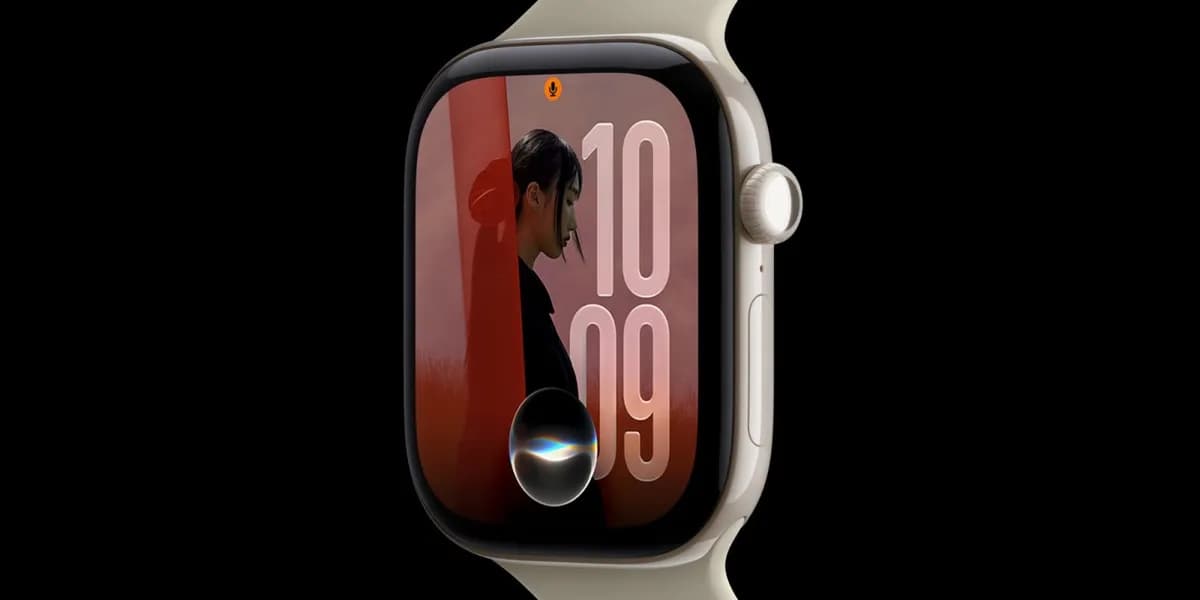
Both watches share the same design language. I won't pretend otherwise, and neither should anyone reviewing the Series 12. The chassis, the display proportions, the band ecosystem — all familiar. Apple has been refining this form factor since the Series 7, and the Series 12 does not throw that out. If you're hoping for a radical visual break, look elsewhere.
Read next iPhone Duo's Hidden Fake Bezel Setting ExplainedThe differences live under the glass. Apple's generational story for the Series 12 centers on health sensing and the silicon driving it, which is consistent with how the company has positioned every Watch release since the Series 4 introduced ECG. Sensor upgrades do not photograph well, but they compound. Each generation adds fidelity to heart-rate tracking, blood-oxygen analysis, sleep staging, and the software features built on top of that data.
This is where experienced users should be paying attention. Independent repair specialists at iFixit have documented across multiple teardowns how tightly Apple integrates the Watch's sensor array with the S-series package, meaning the practical ceiling on any given model is set at manufacture — you cannot retrofit better sensors later. Every health feature Apple ships in software is gated by the hardware generation on your wrist. That is the real argument for the Series 12 over a perfectly functional Series 10.
There's also the software-support horizon to consider. Apple has historically delivered major watchOS updates to older Watches for around four to five years, but feature parity is never guaranteed. New health capabilities tend to arrive first — and sometimes only — on the newest sensors. A Series 10 purchased in January 2025 will remain supported for years, but it will not receive everything. That gap widens with each cycle.
The Compelling Reasons to Make the Leap

Three factors tipped me over the line, and they're worth separating because they apply differently to different people.
First, the ownership-window argument I described above is specific but powerful. Buyers who purchased a Series 10 late in its lifecycle have a shorter runway than launch-day buyers, and the value of waiting shrinks accordingly.
Second, health tracking is cumulative. Apple has spent a decade building a longitudinal health record on the wrist, and the value of that record scales with sensor accuracy. According to Apple's own positioning around its health features, the Watch is designed to surface trends over time — resting heart rate variability, sleep consistency, cardio fitness estimates. Better sensors mean cleaner trends. If you use those features seriously, generational sensor improvements are not marketing noise; they're the difference between a useful dataset and a noisy one.
Third, resale timing. Apple products hold value best in the first two years and deteriorate sharply after that. Selling a Series 10 while it still commands a meaningful percentage of its original price offsets a real chunk of the Series 12's cost. That's not a reason to upgrade on its own, but it's a legitimate input into the decision — and it's the kind of practical reasoning that separates a considered purchase from an impulse buy.
Counterpoint: none of these reasons apply if your Series 10 is functioning well and you don't engage deeply with health metrics. A working Apple Watch that tracks workouts, delivers notifications, and lasts a full day is still a good product in 2026. Apple's upgrade cycle statistics exist because most people rationally skip generations. You may be one of them.
Is the Apple Watch Series 12 Worth It If You Own Series 10?
For launch-day Series 10 buyers from September 2024, my honest answer is: probably not yet. You're at the two-year mark, which is the early edge of the typical upgrade window. Your resale value is still decent but falling, and you have at least one more strong cycle ahead of you. Waiting for the Series 13 or 14 would align better with the two-to-three-generation norm that market research consistently identifies among Watch owners.
For late buyers like me — anyone who picked up a Series 10 in early 2025 or later — the answer shifts. You've already absorbed the worst of the depreciation, your effective ownership window is shorter, and the Series 12 represents two full development cycles of sensor and silicon progress. The Apple Watch Series 12 upgrade stops looking like indulgence and starts looking like timing.
There's a third group worth naming: heavy health-tracking users. If you rely on your Watch for sleep staging, cardiac trends, or fitness progression, hardware gating matters more to you than it does to the average buyer. Apple's pattern of reserving new health features for newer sensors means staying one generation behind has a real cost for this cohort. That cost is invisible day to day and obvious over years.
What I would not do is upgrade purely for the design. There isn't a new design. Anyone telling you the Series 12 looks meaningfully different from the Series 10 is selling something.
Final Verdict: Should You Upgrade to Apple Watch Series 12?
My Series 10 was a good watch. My Series 12 is a better one, and the gap is real even though it's invisible from across a room. The deciding factor for me was never a single headline feature — it was the intersection of a compressed ownership window, the accumulation of two generations of sensor work, and the practical reality that resale value evaporates if you hold too long.
If you bought your Series 10 at launch in September 2024, hold. You have time, and the next cycle will likely deliver a clearer generational jump. If you bought late, track your health data seriously, or simply want to capture residual value before it disappears, the Series 12 is a defensible purchase rather than an emotional one. That's the standard I held myself to, and it's the standard I'd recommend to anyone weighing the same call.
Source: 9to5Mac